Best time to visit Armenia for surgery: climate, seasons and recovery
Spring, summer, autumn or winter: how Yerevan's climate affects recovery and how to choose the right dates for your surgery.
What is the best time to visit Armenia for surgery? For most patients, spring and autumn: mild temperatures in Yerevan, less heat under your compression garment and pleasant weather for recovery walks. That said, no season is off-limits. Summer and winter both work if you know what to expect and plan for it. This guide walks through Yerevan’s climate season by season and what each one means for your recovery.
Your health, your procedure and your calendar come first. Weather is one factor in choosing dates, not the only one.
Yerevan’s climate: what each season is like
Yerevan has a dry continental climate: long, hot, dry summers and short but cold winters, often with snow. Rainfall is low all year and the city is very sunny. Rough averages:
| Season | Typical temperatures in Yerevan | What it means for recovery |
|---|---|---|
| Spring (April and May) | Highs of around 20 °C in April to about 25 °C in May | Pleasant for walks; cool evenings |
| Summer (June to August) | Average highs around 34 °C in July, with some days above 40 °C | Heat under garments, sweating, strong sun |
| Autumn (September and October) | Highs of about 29 °C in September and 22 °C in October | A very good time for surgery and sightseeing |
| Winter (December to February) | Highs close to 2 °C in January, lows below freezing | Cold, possible ice; clothes cover dressings |
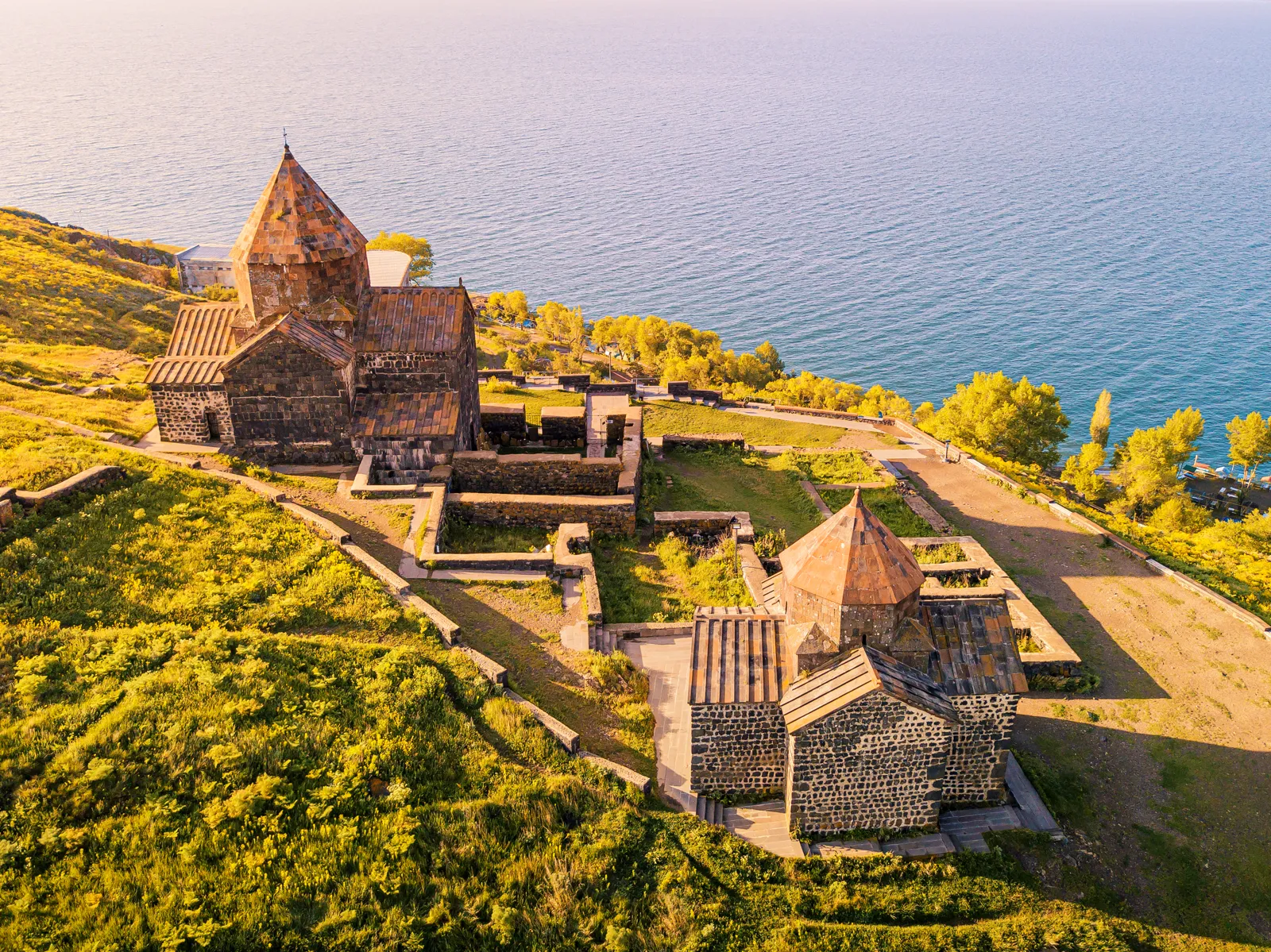
Lake Sevan and the mountain areas are noticeably cooler than the capital because of their altitude.
Having surgery in summer: heat, compression and sun
Summer in Yerevan is hot and very sunny. That does not rule out surgery, but it calls for extra care:
- Compression garments feel hotter, especially after liposuction or a tummy tuck, when you wear them for weeks. Have two so you can wash them.
- Sun darkens fresh scars: keep them covered and use the protection your surgeon recommends.
- Heat can increase swelling and fatigue. Walk early in the morning or in the evening.
- Drink more than usual: dehydration also works against blood clot prevention.
- No pools or swimming until your surgeon clears you, however hot it gets.
Having surgery in winter: cold, ice and some surprising upsides
Winter has a poor reputation, but it has real advantages. Warm clothing hides dressings and garments, the sun is gentler, and staying in to rest feels natural, which is exactly what you need in the first days.
The downsides: pavements can be icy, and a fall after surgery is the last thing you want. Wear shoes with good grip, use taxis and avoid going out on icy days. Mountain excursions are less practical in winter, so plan any sightseeing more cautiously.
Why spring and autumn are often the preferred choice
In spring and autumn Yerevan is mild, compression is easier to tolerate and recovery walks are enjoyable. These are also the most comfortable seasons to combine surgery with a day trip or two before your operation.
There is another practical reason if you live somewhere with a beach summer: surgery in autumn gives your scars several months to mature before the sun season. Fresh scars should not be exposed to the sun, and many surgeons advise protecting them for months.
How to choose dates for your procedure
- Your time off: add up the days in Yerevan plus the recovery time you need at home. Body surgery needs more than facial surgery.
- Your procedure: if you will wear a garment for weeks and struggle with heat, avoid peak summer. After a hair transplant, direct sun on the scalp and sweating are uncomfortable in the first weeks.
- Important events: leave a buffer before weddings, holidays or beach trips. Swelling takes time to settle fully.
- Your health: a cold or infection around your surgery date means postponing. Build in flexibility.
What to pack for each season
Packing well makes recovery noticeably easier, whatever the weather:
- Spring and autumn: layers, a light jacket for the evenings and comfortable walking shoes.
- Summer: loose cotton clothing that covers scars, a wide-brimmed hat, sunglasses, a refillable water bottle and a second compression garment.
- Winter: a coat that fastens at the front (much easier after breast or abdominal surgery), gloves and non-slip shoes.
- All year: loose tops that open at the front, a travel cushion if your surgeon recommends one, and your regular medication with a written list.
Clothes you can put on without lifting your arms over your head are worth their weight in gold during the first week, especially after breast surgery or a tummy tuck.
Stay in Yerevan, flying home and follow-up
Typical stays range from about 5 to 7 days after facial surgery to around 10 to 14 days after larger body procedures. Your surgeon decides when you can fly based on how you are healing, whatever the season.
Check the current entry requirements for your passport before you book. Once home, follow-up continues online, and it is wise to let your GP know about your operation.
Frequently asked questions
When is the best time to visit Armenia?
For both sightseeing and surgery, spring and autumn are usually the most pleasant. Summer is hot and winter is cold, but both are workable with good planning.
Is it bad to have surgery in summer?
Not bad, but heat makes compression garments less comfortable and the sun means extra scar protection. If you can choose, many patients prefer another season.
How cold is Yerevan in winter?
Quite cold: January highs are around 2 °C and lows drop below freezing, often with snow. Pack warm clothes and non-slip shoes.
How long before an event should I have surgery?
It depends on the procedure, but allow several months, because residual swelling and scar maturation take time.
Can I combine surgery with sightseeing?
Yes, especially in spring and autumn. Ideally do excursions before surgery and keep to gentle walks afterwards.
If you are weighing up dates, get in touch. We will help you pick the season that best fits your procedure and arrange a free online consultation with a personal estimate.
This article is for general information and does not replace a consultation with a qualified doctor.
Medical information notice
This article is general information for planning purposes and does not replace advice from a qualified medical professional.