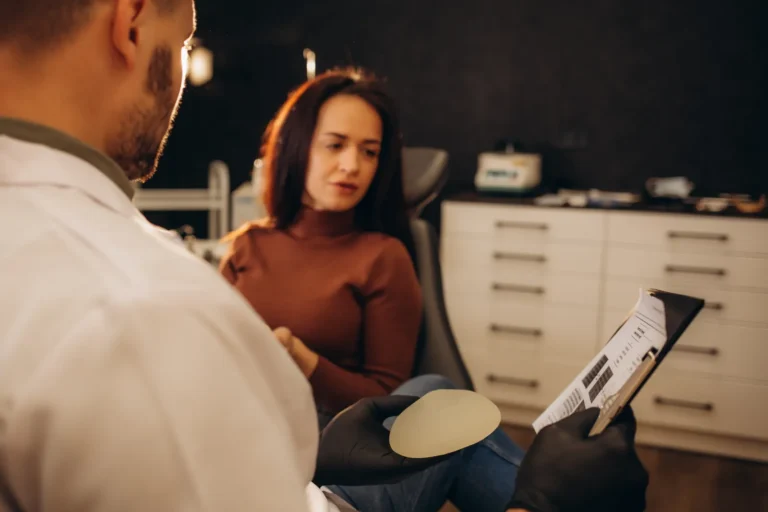
Facelift: best age, types (SMAS, deep plane) and how long it lasts
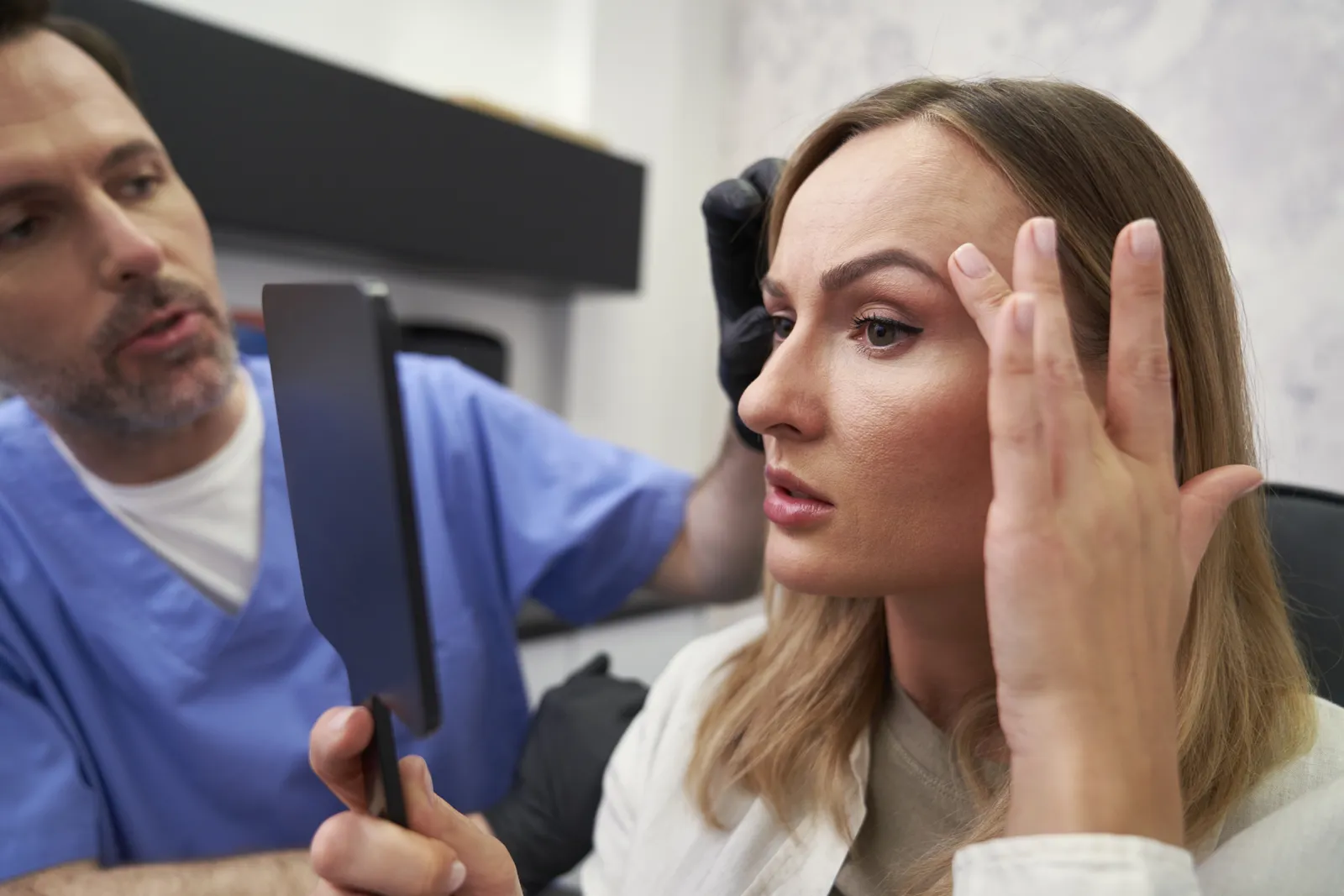
What age suits a facelift, how SMAS and deep plane techniques differ, what recovery looks like and how long results typically last.
A facelift raises three questions at almost every first consultation: how long does it last, what’s the best age, and is a deep plane facelift really better than a SMAS lift? Behind them there’s usually a quieter worry: “Am I too young for this? Wouldn’t threads or fillers do?” Let’s go through it calmly, without “look 15 years younger” promises and without scare stories.
This guide covers the main facelift types, who they suit, what recovery really looks like, facelifts after weight loss, cost logic and how to plan the trip if you’re considering surgery in Yerevan.
What is the best age for a facelift?
Your age on paper matters less than the condition of your skin and deeper tissues. Most facelift patients are somewhere between their mid-40s and mid-60s, but some people in their early 40s have inherited early sagging, and healthy patients in their 70s can be good candidates too.
Signs it may be time to discuss surgery rather than another injectable treatment:
- jowls have formed and the jawline has lost its definition;
- neck skin has loosened, with visible vertical bands;
- deep nasolabial folds that fillers no longer soften well;
- cheeks have descended and you look tired even after a holiday.
Earlier, milder changes usually need a smaller operation and give a more natural result. That said, surgery “just in case” at 35 with good skin is rarely necessary.
Facelift types: SMAS, deep plane, mini and endoscopic
Under the facial skin lies a firmer layer of muscle and connective tissue called the SMAS. Tightening skin alone tends to stretch out quickly and can look pulled. Modern facelifts work on these deeper layers instead.
- SMAS facelift. The surgeon lifts the skin, then tightens and secures the SMAS layer, and finally redrapes the skin without tension. It’s a well-established approach for the lower face and neck.
- Deep plane facelift. The surgeon works beneath the SMAS and moves skin and deeper tissue together as one unit. It’s particularly useful for the midface and cheeks, but it is technically demanding and depends heavily on surgeon experience.
- Mini facelift. Shorter incisions and a smaller scope, mostly for early jowling.
- Endoscopic lift. Small incisions in the scalp and a camera are used to lift the forehead, brows and sometimes the midface. It suits people whose main changes are in the upper face.
| Type | Best for | Incisions | Typical downtime |
|---|---|---|---|
| Mini facelift | Early jowls, good skin | Shorter, around the ear | About 1–2 weeks |
| SMAS facelift | Lower face and neck laxity | Temple, around and behind the ear | About 2–3 weeks |
| Deep plane facelift | Midface, cheeks, jowls, neck | Similar to SMAS | About 2–4 weeks |
| Endoscopic brow/midface lift | Forehead, brows, upper midface | Small cuts in the scalp | About 1–2 weeks |
No single technique is “best” for everyone. Your surgeon recommends one based on your anatomy, goals and health after examining you.
How a facelift is done
The incision typically starts in the hair at the temple, follows the natural contour in front of the ear (often tucked behind the small cartilage, the tragus), and continues behind the ear into the hairline. A small incision under the chin is sometimes added for the neck.
The operation is done under general anaesthesia and usually takes about 3 to 5 hours, longer when combined with eyelid or brow surgery. Thin drains may be placed for a day or two and a compression dressing applied. Most patients spend one night, sometimes two, in the clinic.
Who should wait or reconsider
- Smokers and nicotine users: nicotine significantly raises the risk of skin healing problems. Your surgeon will tell you how long to stop beforehand.
- Uncontrolled high blood pressure, the main risk factor for a hematoma.
- Poorly controlled diabetes or significant heart or lung disease.
- Bleeding disorders or blood thinners that can’t be safely paused.
- Unstable weight or unrealistic expectations.
Typical pre-op checks include blood tests, an ECG and a review by a physician. The final decision on whether surgery is right for you, and in what scope, is made by the surgeon after consultation and tests.
Facelift recovery: what to expect
- Days 1–3. Swelling, a compression dressing and a tight feeling. Discomfort is usually moderate and controlled with pain relief. Sleep on your back with your head raised.
- Days 5–10. Stitches come out in stages. Bruising and swelling are still visible but improving.
- Weeks 2–3. Most bruising fades. Many people go out for walks and coffee, often with a scarf.
- Weeks 3–4. Most return to work and social life. Exercise is usually allowed after 4–6 weeks.
- 3–6 months. Residual swelling settles, numbness around the ears and cheeks gradually improves and scars fade. This is when the result is judged.
How long does a facelift last?
A facelift doesn’t stop ageing; it resets the clock. Tissues keep ageing from a new starting point. Results are typically clearly visible for around 7 to 10 years, and often longer. Even after a decade, most people still look younger than they would have without surgery.
Longevity depends on skin quality, genetics, smoking, sun exposure, weight changes and the technique used. Deeper techniques are often said to last longer, but there’s no technique that freezes time, so be wary of any clinic that promises a specific number of years.
Facelift vs threads: what’s the difference?
Thread lifts are tempting: no incisions and a short recovery. But they work differently. Threads can’t remove excess skin, and their lifting effect usually lasts around 1 to 2 years. For mild early changes they can be a reasonable temporary option. For moderate to significant sagging, a surgical lift generally gives a more meaningful and much longer-lasting result.
Facelift after weight loss (including GLP-1 medications)
Significant weight loss, whether through diet, surgery or medications such as GLP-1 drugs, often leaves the face with lost volume and loose skin. The key rule: operate only once your weight has been stable, usually for at least six months. Further weight loss after surgery can undo part of the result. In these cases a facelift is often combined with fat grafting to restore volume. If you take GLP-1 medication, tell both the surgeon and the anaesthetist, as they may give you specific instructions before anaesthesia.
Risks to understand
The most common significant complication is a hematoma, a collection of blood under the skin, usually in the first 24 hours. That’s why blood pressure control matters so much. Other risks include temporary numbness, temporary weakness of facial muscles, skin edge healing problems (especially in smokers), visible scars, asymmetry and hair loss along the incision. Permanent facial nerve injury is rare. An experienced surgeon and careful aftercare reduce these risks but cannot remove them completely.
How to prepare
- Stop smoking and all nicotine products well in advance.
- Review all medications and supplements with your surgeon; aspirin, some anti-inflammatories, fish oil, vitamin E and some herbal products can increase bleeding.
- Get your blood pressure checked and under control.
- Pack button-front tops, a higher pillow, sunglasses and a scarf.
- Keep at least a month free of important events and photos.
Facelift in Yerevan: how long to stay and when to fly
Plan around 10 to 14 days in Yerevan: pre-op consultation and tests, one or two nights in the clinic, dressing changes, stitch removal and a final check. Flying home is usually allowed after about 10 to 14 days, but your surgeon decides. Once home, it helps to have a local doctor you can see if needed, and we keep you in touch with your Yerevan surgeon remotely for photo check-ins and questions.
Facelift cost in Armenia
An aggregator, Clinics on Call (2024), lists facelifts in Armenia at roughly $3,500 to $6,000. Treat this as rough orientation, not a quote. Your final price depends on the technique (mini, SMAS, deep plane), the areas included (neck, brow, eyelids), anaesthesia and length of stay, and your package (transfer, accommodation, interpreter). You get an exact figure in a personal estimate. See our facelift page for more details.
Frequently asked questions
Is a facelift painful?
Most people describe tightness and moderate discomfort for the first few days, managed with pain relief. Sudden or increasing pain on one side should be checked by your surgeon right away.
Will the scars show?
Scars are hidden in the hairline and along the natural contours of the ear. Over several months they usually fade and become hard to notice.
Is a deep plane facelift better than a SMAS facelift?
Not automatically. Deep plane can give strong midface results in experienced hands, while SMAS remains very effective for the lower face and neck; the right choice depends on your anatomy.
Can I combine a facelift with eyelid surgery?
Yes, it’s a common combination. How much is done in one session is decided by the surgeon and anaesthetist.
When can I return to work?
Usually after 2 to 4 weeks, depending on the scope of surgery and how discreet you need to be.
Send us front, side and three-quarter photos of your face along with your questions. We’ll arrange a free online consultation with a surgeon in Yerevan and prepare a personal estimate. You can reach us on our contact page.
This article is for general information and does not replace a consultation with a qualified doctor.
Medical information notice
This article is general information for planning purposes and does not replace advice from a qualified medical professional.