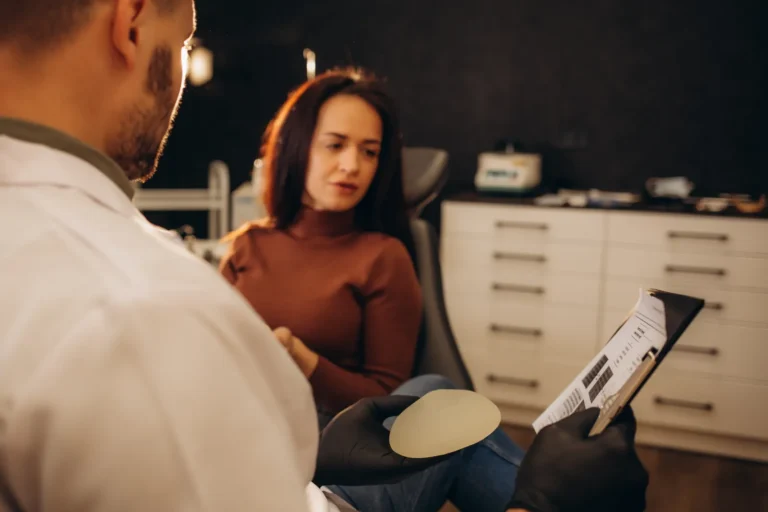
Liposuction: how much fat can be removed and how long recovery takes
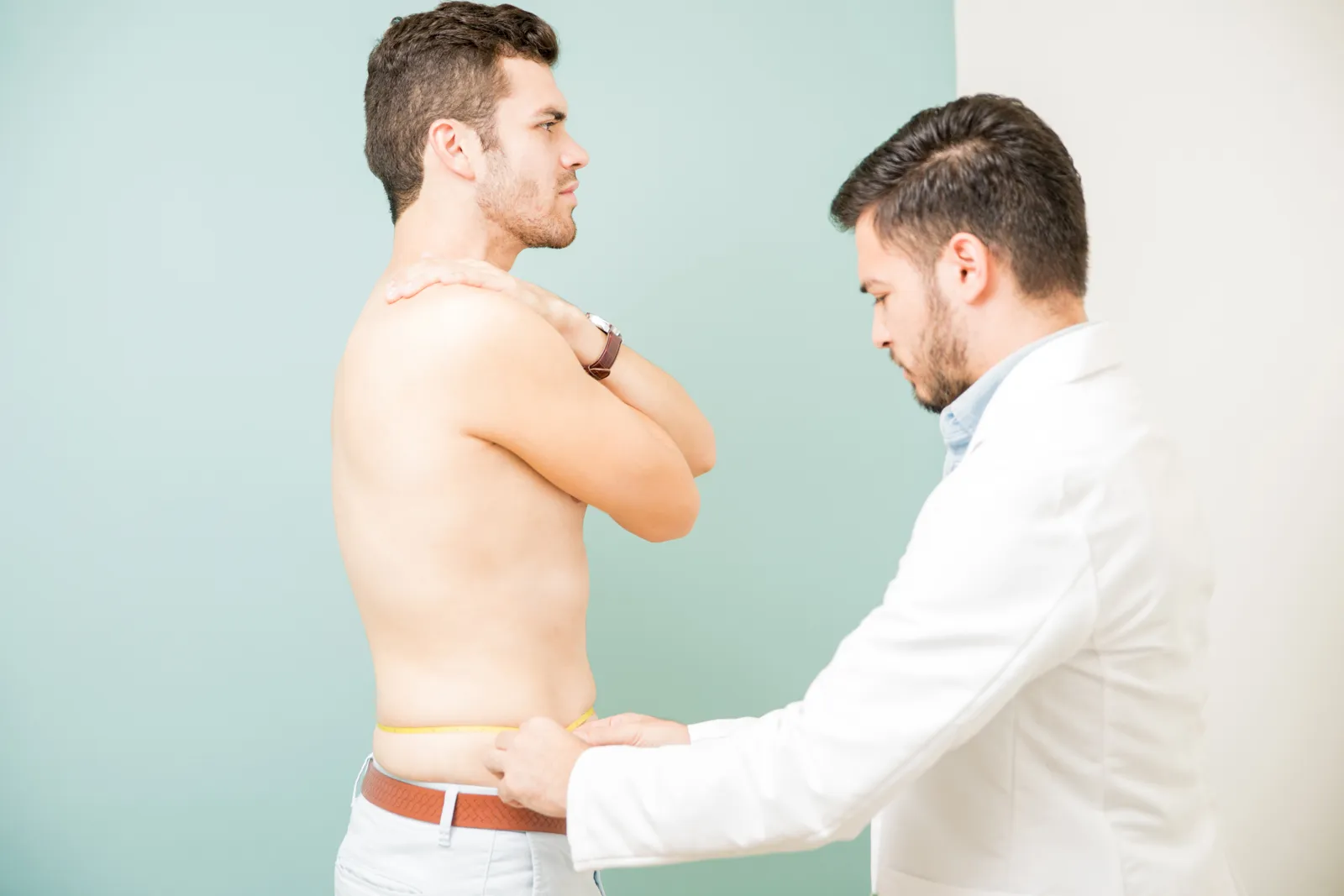
How much fat liposuction can safely remove, how long recovery and compression take, how techniques compare and what to know after GLP-1 weight loss.
Liposuction is usually on the radar of people who already eat reasonably and exercise, yet still have one or two areas that refuse to change: the lower belly, the love handles, the outer thighs. If that sounds familiar, you probably have the same questions everyone does. How many pounds can liposuction actually remove? How long is recovery? How long do you have to wear that compression garment?
This guide answers those questions honestly, explains how liposuction techniques differ and covers liposuction after weight loss, including weight loss on GLP-1 medications.
What liposuction does (and what it doesn’t)
Liposuction removes fat from beneath the skin through small incisions using thin tubes called cannulas. The area is usually first infiltrated with a “tumescent” solution that reduces bleeding and makes the fat easier to remove.
The most important thing to understand: liposuction is a contouring procedure, not a weight loss procedure. It changes your shape far more than the number on the scale. It tends to work best if you:
- are at or near a healthy, stable weight;
- have localised fat deposits that don’t respond to diet and exercise;
- have reasonably elastic skin that can retract after fat removal;
- are in good general health and don’t smoke, or can stop.
How many pounds can be removed with liposuction?
For safety, many surgeons and guidelines treat around 5 litres of total aspirate per session as the upper limit for routine outpatient liposuction. Aspirate is a mix of fat and the fluid that was injected, so it’s not 5 litres of pure fat. Anything larger counts as large-volume liposuction and generally calls for an overnight stay with monitoring, because risks related to fluid balance and overall strain increase.
In pounds, that usually means somewhere in the range of a few pounds up to roughly 10 pounds of actual fat at most, and often less. On the scale you may see even less, and in the first weeks your weight can temporarily go up because of swelling. What changes more visibly is your waistline and silhouette. How much is safe for you is decided by your surgeon based on your health, weight and the number of areas treated.
Liposuction techniques compared
Marketing often makes it sound as if the device is everything. In reality, the surgeon’s skill and judgement matter more than the machine.
| Technique | How it works | Notes |
|---|---|---|
| Tumescent (traditional) | Fluid infiltration plus suction | The well-studied standard |
| Power-assisted (PAL) | The cannula vibrates rapidly | Helpful in fibrous areas such as the back |
| Ultrasound-assisted (VASER) | Ultrasound loosens fat before suction | Useful for detailed contouring; risk of thermal injury |
| Laser-assisted | Laser energy disrupts fat and heats tissue | May offer modest skin tightening; burn risk if misused |
No technique guarantees perfect skin or “no swelling”. Your surgeon will recommend an approach after examining you.
Who should not have liposuction
- people with significant heart, lung, kidney or liver disease;
- bleeding disorders or a history of blood clots (needs specialist assessment);
- poorly controlled diabetes;
- pregnancy or breastfeeding;
- obesity where the real goal is weight loss;
- very loose skin, where a tummy tuck may be the better answer;
- active infections.
Pre-op checks typically include blood tests, an ECG and a medical review. Your final plan is set by the surgeon after consultation and tests.
Liposuction after weight loss and GLP-1 medications
If you’re still losing weight, whether through lifestyle changes or medications such as semaglutide or tirzepatide, it’s usually best to wait until your weight has been stable for several months. Liposuction is for refining shape, and it works better on a stable baseline.
After major weight loss, skin often loses elasticity. Removing fat under loose skin can leave it looking more deflated, so the surgeon may suggest a skin-tightening procedure instead or as well. Always tell your surgeon and anaesthetist if you take a GLP-1 medication: these drugs slow stomach emptying, and they will tell you whether and when to pause it before anaesthesia.
How the procedure goes
The surgeon marks the areas while you’re standing. The procedure is done under general anaesthesia or sedation, and small volumes are sometimes done under local anaesthesia. Incisions are only a few millimetres long. Depending on how many areas are treated, it usually takes 1 to 3 hours. You wake up already wearing a compression garment, and with moderate volumes many people go home the same day or the next morning.
How long to wear a compression garment after liposuction
Compression reduces swelling, supports the tissues and helps the skin settle onto its new contour. A common schedule looks like this:
- Weeks 1–3 or 4: wear it almost 24/7, taking it off only to shower.
- The next 2–4 weeks: many surgeons allow daytime wear only.
- In total, usually around 6 weeks, sometimes longer.
Practical tips: bring two garments so one can be washed. It should be snug, but not cut in or leave deep creases. Report numbness, severe pain or skin colour changes to your surgeon straight away.
How long does it take to recover from liposuction?
- First few days: it feels like an intense post-workout soreness, with bruising and swelling. Walking from day one is important to reduce the risk of blood clots.
- Days 3–7: many people return to desk work.
- Weeks 3–4: light exercise is often allowed; harder training later, as agreed with your surgeon.
- Weeks 4–6: most swelling has gone down.
- 3–6 months: final contour.
Some surgeons recommend lymphatic drainage massage. Check with yours before starting.
Risks to know about
The main risks are contour irregularities and asymmetry, fluid collections (seroma), temporary numbness, infection, skin discolouration, and blood clots in the legs or lungs. Rare but serious complications are linked to large volumes and fluid balance. That’s why chasing the “maximum volume” is a bad idea, and why proper anaesthesia support matters as much as the surgeon.
Preparing for liposuction
- Stop smoking and nicotine products several weeks before.
- Review all medications and supplements with your surgeon (aspirin, anti-inflammatories, fish oil, vitamin E).
- Arrive at a stable weight rather than crash dieting.
- Pack loose zip-front clothing, slip-on shoes and a water bottle.
- Bring absorbent pads for the first night: some fluid leaking from the incisions is normal.
Liposuction in Yerevan: how long to stay and flying home
Most patients stay about 5 to 7 days in Yerevan: consultation, surgery and a follow-up check. A short flight is often fine after a few days. On longer flights, wear your compression garment, drink water and get up to walk every hour. Your surgeon confirms when you can fly. Back home, keep to your compression schedule, stay in touch with your surgeon remotely and see a local doctor if anything worries you.
Liposuction cost in Armenia
An aggregator, Clinics on Call (2024), lists liposuction in Armenia at roughly $1,500 to $3,000 per area. That’s rough orientation only. The abdomen and flanks usually count as separate areas, so your price depends on how many areas, how much volume, the technique, anaesthesia and your package. You get an exact figure in your personal estimate. Read more on our liposuction page.
Frequently asked questions
Does fat come back after liposuction?
Removed fat cells don’t grow back. If you gain weight, though, the remaining fat cells can enlarge, including in untreated areas.
Is liposuction painful?
You won’t feel pain during surgery thanks to anaesthesia. Afterwards expect several days of soreness, similar to very tight muscles, managed with pain relief.
How long should I wear compression?
Typically around 6 weeks: nearly round the clock for the first 3 to 4 weeks, then mostly during the day. Your surgeon sets the exact schedule.
Can I have liposuction after a tummy tuck, or with one?
Yes. Flank liposuction is often combined with a tummy tuck, and touch-up liposuction can be done later once healing is complete. Your surgeon decides what’s safe in one session.
When will I see results?
You’ll see a change within a couple of weeks as swelling settles. The final shape usually takes 3 to 6 months.
Send us photos of the area you’d like to change, your height and weight, and any questions. We’ll arrange a free online consultation with a surgeon in Yerevan and prepare a personal estimate. Reach us on our contact page.
This article is for general information and does not replace a consultation with a qualified doctor.
Medical information notice
This article is general information for planning purposes and does not replace advice from a qualified medical professional.