Laser eye surgery: LASIK vs SMILE vs PRK, recovery and who it suits
How LASIK, SMILE and PRK differ, how long results last, what recovery feels like and when lens replacement is a better choice.
Laser eye surgery is one of the most refined procedures in modern ophthalmology. The laser itself works for seconds, and many patients read the clock on the wall the next morning. Still, LASIK, SMILE and PRK are not interchangeable, and not everyone is a good candidate. After about 45, the better answer is sometimes not a laser at all but lens replacement.
Below we compare the main methods and answer what people ask most: how long LASIK lasts, whether it hurts, whether it makes sense after 40 or 50, and how long recovery takes, including how to plan a short trip to Yerevan for it.
How laser eye surgery works
All laser vision correction reshapes the cornea, the clear front window of the eye, so that light focuses properly on the retina. That corrects short-sightedness (myopia), long-sightedness (hyperopia) and astigmatism. The methods differ in how the surgeon reaches the layer that is reshaped.
- PRK (surface ablation). The thin surface layer, the epithelium, is removed and an excimer laser reshapes the cornea underneath. The surface heals over several days.
- LASIK. A thin corneal flap is created, lifted, the excimer laser reshapes the tissue, and the flap is laid back.
- Femto-LASIK. The same idea, but the flap is cut with a femtosecond laser rather than a blade, which makes it more precise and predictable.
- SMILE. A femtosecond laser creates a tiny lens-shaped disc of tissue inside the cornea, which the surgeon removes through a small incision of a few millimetres. There is no flap.
LASIK vs SMILE vs PRK at a glance
| Method | Functional vision | Discomfort afterwards | Worth knowing |
|---|---|---|---|
| PRK | Several days to a week; fully stable over weeks | Most noticeable: burning and light sensitivity for 2–4 days | No flap; useful for thinner corneas and contact sports |
| LASIK / Femto-LASIK | Usually the next day | A few hours of grittiness and watering | Flap needs protecting from rubbing and trauma |
| SMILE | Often within 1–3 days | A few hours | Small incision, no flap; mainly used for myopia and astigmatism |
There is no single best method. The choice depends on corneal thickness and shape, your prescription, tear film quality and lifestyle, and it is made by a refractive surgeon after full diagnostics.
Is laser eye surgery painful?
The eye is numbed with anaesthetic drops; no general anaesthetic is used and you stay awake, looking at a fixation light. A small clip keeps your eyelids open, so you cannot blink at the wrong moment. Most people feel pressure and sometimes a brief dimming of vision rather than pain. The whole visit in the laser room usually takes 10–20 minutes for both eyes.
After LASIK or SMILE, expect a few hours of stinging, watering and a sandy feeling. The best plan is to go back to your room and sleep. PRK is more uncomfortable for the first 2–4 days and is managed with drops and a bandage contact lens.
Who is not a good candidate
- under 18, or a prescription that changed in the past year;
- keratoconus or suspicious corneal shape, or a cornea that is too thin;
- pregnancy or breastfeeding;
- significant dry eye, active eye infection or inflammation;
- cataract, some types of glaucoma or retinal disease needing treatment;
- poorly controlled diabetes and certain autoimmune conditions;
- some medications, such as isotretinoin, depending on your doctor’s advice.
If you are planning a pregnancy, surgeons usually suggest having correction a few months beforehand or waiting until after breastfeeding, once your prescription is stable again.
How long does LASIK last?
The change to the cornea is permanent. What continues to change is the rest of the eye. Around the mid-40s everyone develops presbyopia, the age-related loss of near focus, and later many people develop cataract. A minority of patients, especially with higher original prescriptions, notice a small regression over the years. An enhancement may be possible if the cornea is thick enough.
The realistic expectation is many years without distance glasses, not a guarantee of perfect vision for life.
LASIK after 40 and after 50
Laser surgery after 40 is common, but it will not stop presbyopia. If you correct short-sightedness at 42, you will probably need reading glasses within a few years. Some surgeons offer monovision, setting one eye for distance and the other for near, which suits some people and not others; a contact lens trial first is sensible.
After roughly 45–50, or when the natural lens is starting to change, refractive lens exchange may make more sense. It replaces your lens with an artificial one and can address distance and near vision, but it is intraocular surgery with a different risk profile, so it needs a detailed assessment. For very high myopia in younger people, an implantable lens placed in front of your natural lens is another option.
LASIK recovery: how long and what to avoid
- Do not rub your eyes for several weeks, and use the eye shields at night if given.
- Use antibiotic, anti-inflammatory and lubricating drops exactly as prescribed.
- Skip eye makeup, swimming pools, saunas and hot tubs for about 1–2 weeks.
- Avoid dust, smoke and contact sports for as long as your surgeon advises.
- Wear sunglasses in bright light.
Dry eye and halos or glare around lights at night are common for weeks to months and usually improve. Other possible problems include under- or overcorrection, flap complications after LASIK, infection and, rarely, corneal ectasia. These are reasons to take diagnostics seriously, not reasons to panic.
What the pre-operative assessment includes
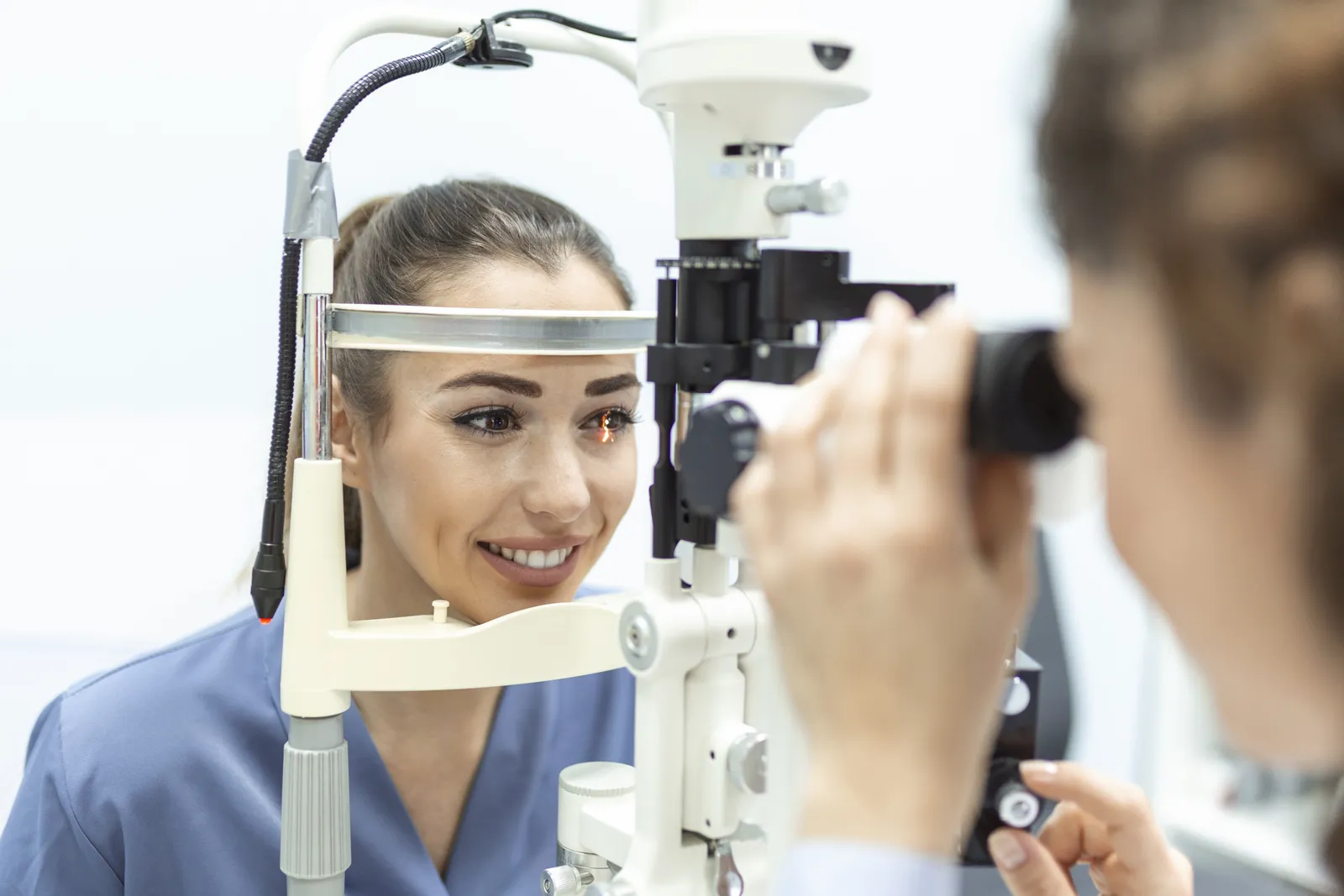
A thorough assessment takes one to two hours: refraction, often with dilated pupils; corneal topography and tomography to rule out keratoconus; corneal thickness; tear film testing; eye pressure; and a retinal examination. Soft contact lenses usually need to come out 1–2 weeks before, rigid or ortho-k lenses longer, as your clinic will tell you. You should not drive after dilation.
What drives the cost
We do not quote laser surgery prices in advance, because they vary widely. The main factors are the method (PRK is usually the most affordable, femtosecond-based methods cost more), the laser platform, the diagnostics, the number of follow-up visits, medication and the enhancement policy. Always check whether a price is per eye or for both eyes with follow-up.
Planning a trip to Yerevan
A typical LASIK or SMILE plan is assessment and consultation on day one, surgery, then a check the next day. Most people stay 3–5 days in total; for PRK, allow about a week. Flying is usually fine after the post-op check, but your surgeon has the final say. At home, see an ophthalmologist a few weeks later and stay in touch with the clinic online if anything worries you.
Laser eye surgery is not plastic surgery, but if you are combining treatments, see our procedures and how our coordination services work.
Frequently asked questions
How long does LASIK last?
The corneal change is permanent. Vision can still change with age, presbyopia and cataract, and a small number of patients need an enhancement.
Is LASIK painful?
Most people feel pressure rather than pain because the eye is numbed with drops. A few hours of stinging afterwards are common; PRK is more uncomfortable for several days.
Is LASIK worth it after 40?
It can be, if your eyes are healthy and you accept that reading glasses will likely still be needed. After 45–50, lens replacement is sometimes the better option.
How long is recovery after LASIK?
Most patients see well the next day and return to desk work within a few days. Full stabilisation and settling of dryness can take weeks to months.
Is it done under general anaesthesia?
No. Anaesthetic drops are used and you stay awake, following simple instructions from the surgeon.
Not sure which method suits you? Send your latest eye test results through our contact page, and we will arrange a free online consultation with a specialist and a personal estimate.
This article is for general information and does not replace a consultation with a qualified doctor.
Medical information notice
This article is general information for planning purposes and does not replace advice from a qualified medical professional.