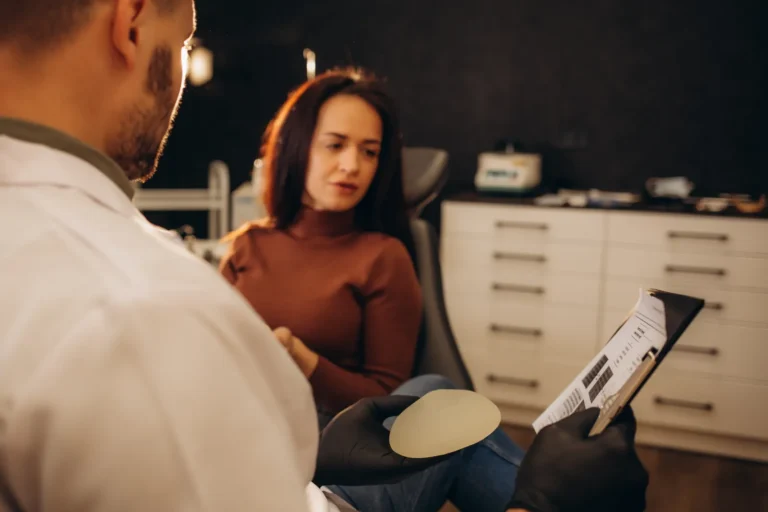
Otoplasty (ear pinning): procedure, recovery and is it worth it

How ear pinning is done, how painful it is, how long the bandage stays on, whether results are permanent and what drives the cost.
Otoplasty, often called ear pinning, is a short operation that reshapes the ears so they sit closer to the head and fold more naturally. It is one of the most satisfying procedures in cosmetic surgery, particularly for people who have spent years hiding their ears under their hair. Before deciding, most people want to know the same things: how it is done, whether it hurts, how long the bandage stays on and whether the result is permanent.
Here is a calm, step-by-step guide to the procedure, recovery, the bandage routine, risks, cost factors and how to plan ear surgery in Yerevan.
What is otoplasty and who is it for?
Otoplasty covers several operations on the outer ear. The most common corrects prominent ears, usually caused by an underdeveloped fold in the cartilage (the antihelix) or an oversized ear bowl (the concha). It can also:
- reduce ears that are unusually large;
- correct asymmetry when one ear sticks out more than the other;
- reshape earlobes, for example after stretched piercings;
- repair injuries or congenital differences.
It is done for both children and adults. In children it is usually performed from about age 5 or 6, when the ear has almost reached adult size. Adults have no upper age limit as long as they are in good health.
Ear surgery is performed by plastic surgeons and by facial plastic or ENT surgeons with a specific interest in the ear. Real experience with ear reshaping, and photos of results, matter more than the title.
How otoplasty is done
Surgery on both ears typically takes 1–2 hours. The usual steps:
- Marking: the surgeon plans where the new fold will be and how close to the head the ear should sit.
- Anaesthesia: local anaesthetic, often with sedation, or general anaesthesia.
- An incision behind the ear, in the natural crease, so no scar shows from the front.
- Reshaping the cartilage with permanent stitches, and reducing the concha if needed.
- Setting the ear in its new position and closing the skin.
- A soft, padded head dressing.
Many patients go back to their hotel the same day or after one night in the clinic.
Adults often have otoplasty under local anaesthetic with sedation: you are relaxed and drowsy, and an anaesthetist monitors you. General anaesthesia is also possible. Children almost always have general anaesthesia, as staying still during surgery near the head is hard for them. The anaesthetist makes the final choice after assessment.
Is otoplasty painful?
You should not feel pain during surgery thanks to the anaesthetic. Once it wears off, the ears ache and throb, especially for the first 2–3 days. Most people describe a dull, tight soreness that is well controlled with the painkillers your surgeon prescribes.
Sudden, severe pain on one side, especially with a feeling of pressure, is not normal. It can signal a haematoma, and you should contact your surgeon straight away. That is one reason to stay near the clinic for the first few days.
The ears may feel numb or sensitive to cold and touch for several weeks. This usually improves gradually.
Otoplasty bandage: how long to wear it
Bandage routines vary between surgeons, but a typical plan looks like this:
| Period | What you wear | Why |
|---|---|---|
| First 2–7 days | Firm padded dressing, day and night | Protects the ears, limits swelling, helps prevent haematoma |
| Up to about 2–3 weeks | Elastic headband day and night | Holds the ears in position while tissues heal |
| A further 4–6 weeks or so | Headband at night only | Stops the ear folding forward while you sleep |
The night-time headband matters more than people think. It is easy to roll over and bend an ear in your sleep while the cartilage is still settling into its new shape. Your surgeon will give you the exact schedule.
Recovery: what to expect after 1 week, 2 weeks and beyond
- Days 1–3: swelling, aching and the dressing. Sleep with your head raised and avoid bending forward.
- After 1 week: the main dressing comes off and the ears are checked. Swelling and bruising are normal. Hair washing is usually allowed after this point.
- After 2 weeks: swelling has clearly reduced, and most people return to work or school while wearing the headband.
- Weeks 4–6: exercise is usually allowed; contact sports and swimming are discussed separately with your surgeon.
- Months 3–6: residual swelling fades and the final result is visible.
Go easy with glasses and over-ear headphones at first, and choose clothes that button or zip at the front rather than pulling over your head.
Preparing for ear surgery
- Complete the clinic’s blood tests, plus an ECG if you are having general anaesthesia.
- Review medications with your doctor, especially aspirin and anything that affects bleeding.
- Stop smoking at least 2 weeks before and after surgery, and avoid alcohol for a few days beforehand.
- Pack front-opening tops and a travel pillow.
For an online consultation, take clear photos of your ears from the front, the back and both sides, with your hair tied back.
Is otoplasty permanent?
Traditional otoplasty usually gives a lasting, lifelong result. However, in some patients the ears gradually move back out a little over time, especially when the cartilage is springy. A small revision is sometimes needed.
Incisionless or “thread” otoplasty uses stitches placed through tiny punctures without a traditional incision. Recovery is quicker, but it is mainly suited to soft, flexible cartilage and mild prominence, often in younger patients. The risk of the ear returning towards its old position is higher than with traditional surgery, and long-term data are more limited.
Other possible complications include haematoma (the main early risk), infection, asymmetry, overcorrection that leaves ears looking “pinned flat”, visible or keloid scars behind the ear and stitches working their way to the surface. A good surgeon aims for a natural look, where the ears are still visible from the front.
Otoplasty cost: one ear or both
We don’t quote a fixed price, because it depends on the work involved. What affects the cost:
- one ear or both: correcting one ear usually costs less, but not half, since preparation, anaesthesia and theatre time are needed either way;
- the technique: traditional, incisionless, ear reduction, earlobe correction;
- the type of anaesthesia;
- dressings, headbands and follow-up visits;
- your package: accommodation, transfers and an interpreter.
Your exact figure comes from a personal estimate after the online consultation.
Is otoplasty worth it?
Most patients, especially those who have been self-conscious for years, say yes. Expectations should be realistic, though: the goal is balanced, natural-looking ears, not “perfect” ones. Ask your surgeon:
- What is causing my ears to stick out: the fold, the bowl or both?
- Which technique do you recommend, and why?
- How close to my head will the ears sit?
- How long do I wear the dressing, and when can I fly?
- What happens if one ear looks different once I am home?
How long to stay in Yerevan
Around 5–7 days is usually enough: consultation and tests, surgery, first dressing changes and removal of the firm dressing. Flying home is typically possible a few days after surgery once your surgeon has confirmed there is no haematoma; your surgeon decides the exact timing. At home, keep wearing the headband, follow up with a local doctor and send photos to your surgeon for remote check-ins. You can explore other procedures on our surgeries page.
Frequently asked questions
Is otoplasty permanent?
Traditional otoplasty usually gives a lifelong result. A small number of patients see some relapse and may need a minor revision.
How long do you wear a bandage after otoplasty?
Usually a firm dressing for a few days to a week, then an elastic headband. Most surgeons ask you to wear it at night for about another 4–6 weeks.
Does otoplasty hurt?
Not during surgery, thanks to anaesthesia. Afterwards the ears ache for 2–3 days, and painkillers usually control it well.
What do ears look like 2 weeks after otoplasty?
Most of the swelling and bruising has settled, but the ears are not final yet. Full results appear over 3–6 months.
Can you have otoplasty on one ear only?
Yes, if only one ear is prominent. Your surgeon will check whether the other ear needs a small adjustment for symmetry.
Wondering whether otoplasty is right for you? Send photos of your ears from the front, back and sides through our contact page, and we will arrange a free online consultation with a surgeon in Yerevan and a personal estimate.
This article is for general information and does not replace a consultation with a qualified doctor.
Medical information notice
This article is general information for planning purposes and does not replace advice from a qualified medical professional.