Day of plastic surgery: what happens step by step at the clinic
What happens on surgery day, from leaving your hotel to waking up in your room, and how to prepare so the day feels calm and predictable.
The day of plastic surgery usually starts early and follows a fairly predictable order: fasting, check-in, a final review with your surgeon and anaesthetist, the operating theatre, the recovery room and then your own room. Knowing what comes next takes a lot of the fear out of it. This guide walks you through a typical surgery day at a clinic in Yerevan, Armenia, and what you can do to make it easier on yourself.
Every clinic has its own protocol and your surgeon decides the details, but the overall flow looks very similar in any well-run hospital.
What to do the night before surgery
Preparation starts the evening before. By now you will normally have had your in-person consultation, blood tests and, if needed, an ECG. The clinic gives you written instructions: follow them even if some seem fussy.
- Fasting: a common rule is no solid food for about 6 hours and clear fluids up to about 2 hours before, but your anaesthetist’s instruction is the one that counts.
- Shower: in the evening or morning, sometimes with an antiseptic wash. No body lotion, make-up, nail polish or perfume.
- Medication: take only what you have been cleared to take. Mention blood thinners, supplements (fish oil, vitamin E, herbal remedies) and weight-loss injections.
- Bag: loose clothes that open at the front, slip-on shoes, phone charger, the garment or surgical bra if you were asked to bring one, documents, and glasses instead of contact lenses.
- No alcohol or smoking: ideally for weeks beforehand, and certainly the night before.
Sleep if you can. Feeling nervous is completely normal and does not mean anything is wrong.
What happens when you check in
If you travel with Medarmenia, your driver collects you from your accommodation at the agreed time and a coordinator or interpreter comes with you. At reception, staff confirm your identity, check your test results and ask you to sign the informed consent. Read it properly. This is the moment to ask anything that is still unclear, and the interpreter is there for exactly that.
You are then shown to a room or a pre-op bay, change into a gown and get an ID wristband. Many clinics also fit compression stockings or a calf compression device to lower the risk of blood clots.
Surgical markings, photos and meeting the anaesthetist
Before theatre, the surgeon goes over the plan with you again and draws the markings with a surgical pen: incision lines, liposuction zones, the position of the breast fold. This is often done standing up, because that is how your body really looks. Clinical photos are taken for your records.
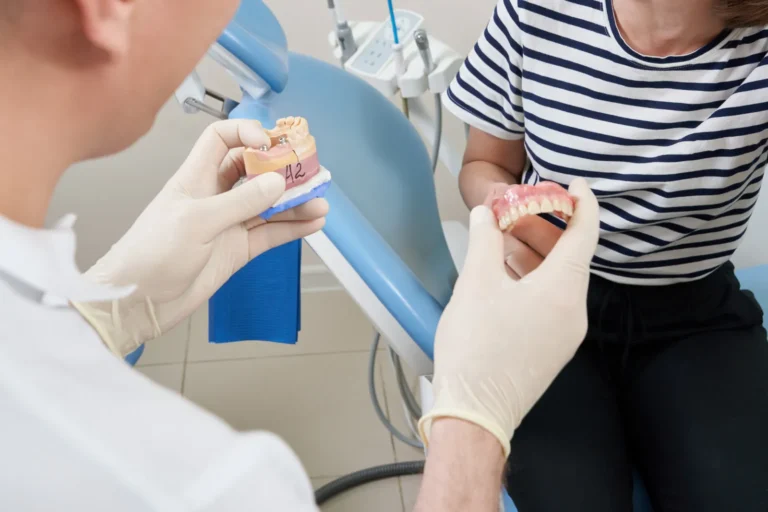
Next you meet the anaesthetist, a specialist doctor. Expect questions about allergies, previous operations, past reactions to anaesthesia, loose teeth or dentures, and when you last ate and drank. They explain which type of anaesthesia you will have and how waking up will feel. For a rhinoplasty, for example, general anaesthesia is usual, while some smaller procedures are done under local anaesthesia with sedation.
What happens in the operating room
You walk in or are wheeled in on a trolley. Theatres are cool, bright and busier than people expect: surgeon, assistant, anaesthetist and nursing staff. Before anything starts, the team runs a safety check out loud, confirming your name, the procedure, the side or area and any allergies. You may be asked the same questions several times. That is the system working, not confusion.
Monitors go on (blood pressure, ECG, a clip on your finger for oxygen), a cannula goes into your arm and, under general anaesthesia, you are asleep within a minute. From there you will remember nothing. How long it takes depends on the procedure:
| Procedure | Typical time in theatre | Usual clinic stay |
|---|---|---|
| Eyelid surgery | 1 to 2 hours | Home the same day |
| Rhinoplasty | 2 to 4 hours | Same day or 1 night |
| Breast augmentation | 1 to 2 hours | 1 night, sometimes same day |
| Tummy tuck | 2 to 4 hours | 1 to 2 nights |
| Combined procedures | 4 hours or more | 1 to 2 nights or longer |
These are broad ranges. Your surgeon will give you the figure for your own plan.
Waking up from anaesthesia in the recovery room
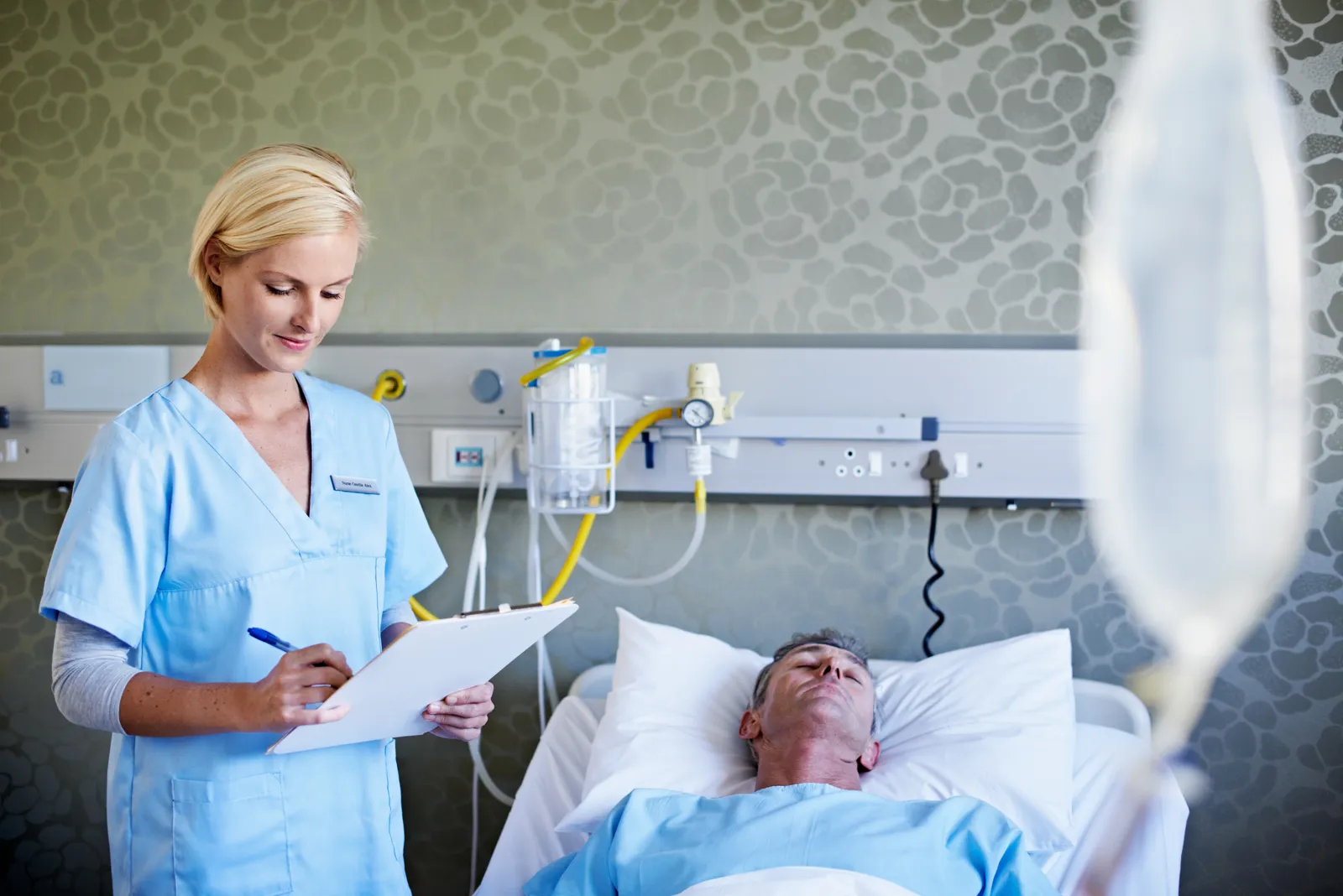
When the operation ends you move to the recovery room. You wake gradually, often feeling cold, thirsty and a bit muddled. Your throat may be sore if a breathing tube was used, and you will feel pressure around the treated area along with dressings, a compression garment or drains. Nurses watch your vital signs, treat pain and nausea, and stay with you until you are stable.
This usually takes 1 to 2 hours. Once you are awake and your observations are good, you go up to your room.
The first hours after surgery
The first hours are for rest, but not for lying completely still. Here is what normally happens:
- You start with sips of water and, if that goes well, something light to eat.
- Nurses check dressings, drains and that you can pass urine.
- Staff help you stand and take a few steps as soon as it is safe, often within a few hours. Moving your legs is one of the best protections against clots.
- You get regular pain relief. Say so if it is not enough.
- Your surgeon visits, usually that evening or the next morning.
After facial surgery you will be asked to sleep with your head raised; after body surgery, to wear the garment exactly as instructed. Keep your phone nearby for a quick message home, but nobody expects long replies that day.
Discharge and getting back to your hotel in Yerevan
Discharge happens the same day or after one or two nights, depending on the procedure and how you feel. Before leaving you should know which medicines to take and when, how to care for the wound, which warning signs to watch for and when your next check-up is. Ask for a written discharge summary to take home.
Your driver takes you back to the hotel or apartment, and the coordinator stays in touch for the rest of your stay. Most patients remain in Yerevan for roughly 5 to 14 days depending on the procedure, for check-ups, stitch or splint removal and a safe flight home. After that, recovery continues at home with remote follow-up and, if needed, your GP or a local plastic surgeon. You can see everything we arrange on our services page.
Frequently asked questions
Can I drink water on the morning of surgery?
Often yes, clear fluids until about 2 hours before, but it depends entirely on your anaesthetist’s instructions. If you are unsure, ask before drinking anything that morning.
Can someone come with me to the clinic?
Usually yes, up to your room, and many clinics let a companion stay afterwards. Rules vary by hospital, so your coordinator confirms them in advance.
How long will I be at the clinic in total?
Between arrival, preparation, surgery and recovery, plan for at least half a day. With an overnight stay, discharge is normally the next morning after the surgeon’s review.
Will it hurt when I wake up?
Some soreness, tightness and pressure are normal, but the team gives pain relief before the anaesthetic wears off. How much you feel varies a lot by procedure and from person to person.
Can I keep gel nails or contact lenses on?
Better not. The oxygen sensor sits on your fingertip, and lenses can harm your eyes under anaesthesia. Remove jewellery and piercings too.
If you would like to know what your own surgery day would look like, get in touch. We arrange a free online consultation with the surgeon and a personal estimate that includes transfers and accommodation.
This article is for general information and does not replace a consultation with a qualified doctor.
Medical information notice
This article is general information for planning purposes and does not replace advice from a qualified medical professional.