Flying after plastic surgery: how long to wait and how to prevent clots
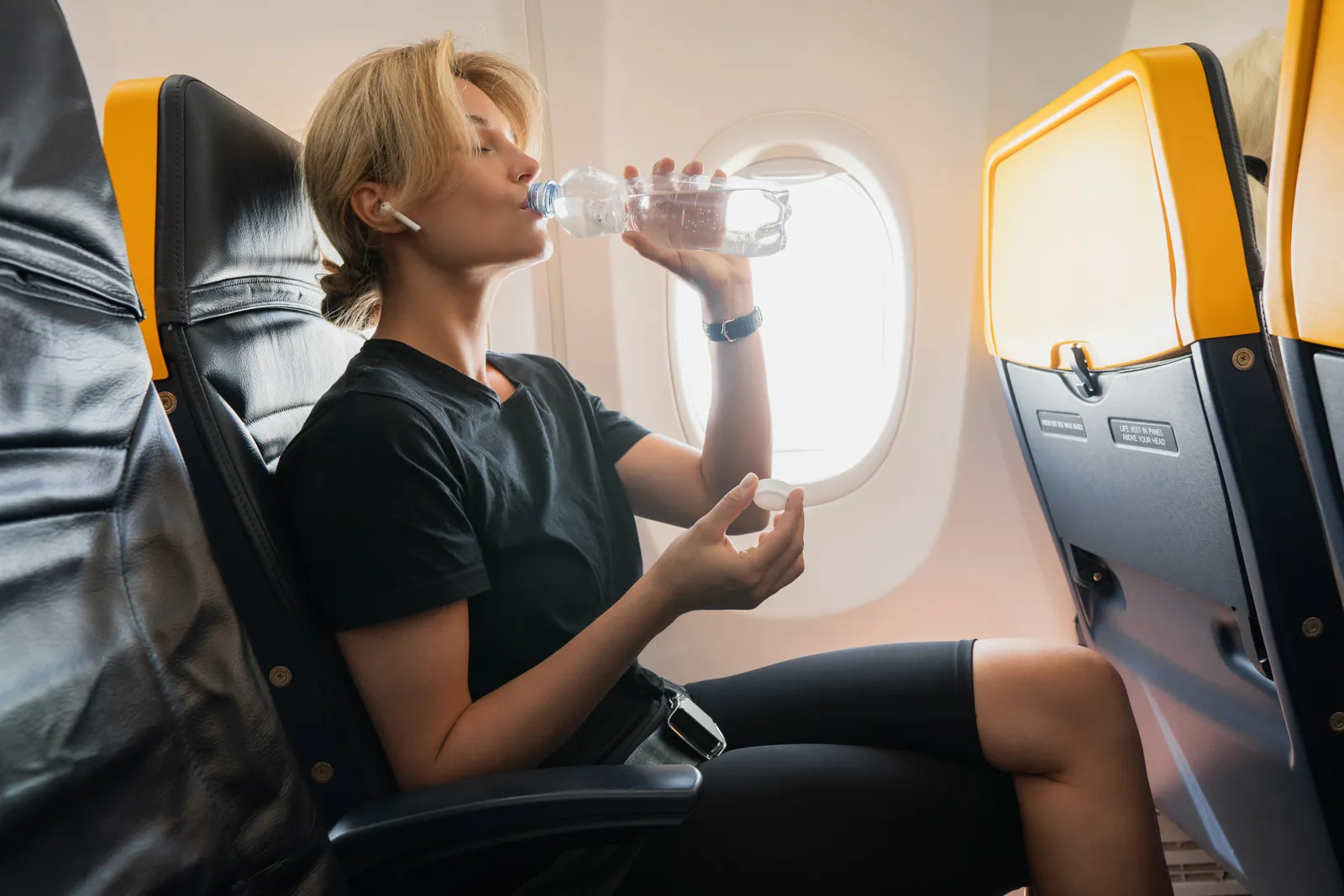
How many days to wait before flying after each type of cosmetic surgery, and what to do on board to lower your risk of blood clots.
When is flying after plastic surgery safe? It depends mainly on the procedure. After a hair transplant, a day or two may be enough, while after a tummy tuck or combined surgery most surgeons ask you to wait 10 to 14 days. Your surgeon sets the actual date after examining you. If you are having surgery in Yerevan, Armenia, and flying home afterwards, this guide helps you plan the return trip and lower the risk of blood clots, the main danger of flying too soon.
How long after plastic surgery can you fly?
There is no single number. It depends on the type and length of surgery, the anaesthetic, whether you have drains, how your swelling is settling, the length of the flight and your personal risk factors. These are commonly used ranges:
| Procedure | Typical wait before flying |
|---|---|
| Hair, beard or eyebrow transplant | 1 to 2 days |
| Dental implants without sinus lift | 1 to 3 days |
| Implants with sinus lift | Often 7 to 14 days |
| Eyelid surgery | 5 to 7 days, after stitch removal |
| Rhinoplasty | 7 to 10 days, after the splint comes off |
| Breast augmentation, small-area liposuction | 5 to 7 days |
| Facelift | 7 to 10 days |
| Tummy tuck, BBL, mommy makeover, combined surgery | 10 to 14 days |
Treat these as general guidance, not clearance. Your surgeon may ask you to stay longer if there is a lot of swelling, a small haematoma or a higher clot risk.
Why flying raises the risk of blood clots after surgery
Surgery itself, especially long operations or those on the abdomen and legs, makes blood more likely to clot for several weeks. A flight adds hours of sitting with bent knees, little movement, dry cabin air that dehydrates you and, often, fatigue. Beyond roughly 4 hours of travel the risk of deep vein thrombosis rises noticeably, and connecting flights add up.
Other factors push the risk higher: hormonal contraception or HRT, smoking, excess weight, varicose veins, a personal or family history of clots, and age. Raise them at your consultation so the team can decide whether you need medical-grade stockings or preventive medication.
How to prevent blood clots on the plane
- Compression: wear compression stockings for the whole journey if advised, plus your surgical garment if you have one.
- Move: get up and walk the aisle about once an hour; while seated, circle your ankles and flex your feet often.
- Aisle seat: it makes getting up easy.
- Hydrate: sip water regularly and skip alcohol and too much coffee.
- Loose clothing: nothing tight at the waist or groin apart from prescribed compression.
- Preventive medication: only if your doctor prescribes it. Do not start aspirin on your own.
If after the flight you notice pain and swelling in one calf, breathlessness or chest pain, seek urgent medical help.
Cabin pressure, swelling and other in-flight issues
Cabins are pressurised to the equivalent of a moderate mountain altitude, so gases expand slightly. A little extra swelling during the flight and over the next few days is normal. After rhinoplasty or a sinus lift, congestion and pressure changes can be uncomfortable: do not blow your nose hard, and use saline or decongestant sprays only if your surgeon approves. Chewing gum or swallowing often helps your ears.
After a Brazilian butt lift you should avoid putting weight on your buttocks for several weeks, so ask whether you can use a special cushion and how to sit on the plane. After a tummy tuck you may travel slightly bent forward, which is normal in the early days.
What about the outbound flight? When to arrive before surgery
The flight out counts too. Landing in Yerevan the evening before surgery after a full day of planes and connections is not ideal: you are tired, dehydrated and have been sitting for hours. It is better to arrive at least one or two days ahead, have your tests and consultation without rushing, and get a proper night’s sleep.
Use the same habits on the way out: water, an aisle seat and a walk every hour. If you take hormonal contraception or HRT, ask your surgeon well in advance whether you should pause it before surgery, because that decision is made weeks ahead, not at the airport.
The same goes for the days after you land back home. Keep walking short distances several times a day, carry on with your garment and any prescribed injections, and do not sit for hours in a car straight after a long flight if you can avoid it.
Flying home from Yerevan: practical tips
Depending on where home is, the trip from Yerevan may be a direct flight or involve a connection, so it can be a long day. Plan it carefully:
- Ask the clinic for a discharge summary and, if needed, a fit-to-fly letter.
- Keep medication, the summary, a spare compression garment and snacks in your hand luggage.
- Do not lift suitcases: book airport assistance or ask staff for help.
- Choose a connection with enough time and use it to walk around.
- Book a changeable ticket in case your surgeon wants you to stay a few more days.
- At home, rest and continue remote check-ups, with your GP involved if needed.
Medarmenia arranges your airport transfer and coordinates the final check-ups so you leave Yerevan with your surgeon’s approval.
Frequently asked questions
Can I fly with drains in?
It is generally better to wait until drains are removed before a long flight. If that is not possible in your case, your surgeon will explain how to manage them while travelling.
Is it safe to fly 3 days after liposuction?
For a long flight, that is usually too soon; most surgeons suggest at least 5 to 7 days after liposuction. It depends on how many areas were treated and your clot risk.
Should I wear my compression garment on the plane?
Yes, if your surgeon has told you to, as it helps control swelling. Make sure it does not dig in uncomfortably when you sit for hours.
Do I need a medical certificate to fly after surgery?
Airlines do not always ask for one, but carrying your discharge summary and, if the clinic issues it, a fit-to-fly letter is sensible. Check your airline’s rules too.
Can I take short flights before going home?
It is best to avoid extra flights during recovery. Every flight adds to clot risk, so talk to your surgeon before planning side trips.
Want to know how many days you would need in Yerevan for your procedure? Contact us for a free online consultation with the surgeon and a personal estimate covering accommodation and transfers.
This article is for general information and does not replace a consultation with a qualified doctor.
Medical information notice
This article is general information for planning purposes and does not replace advice from a qualified medical professional.