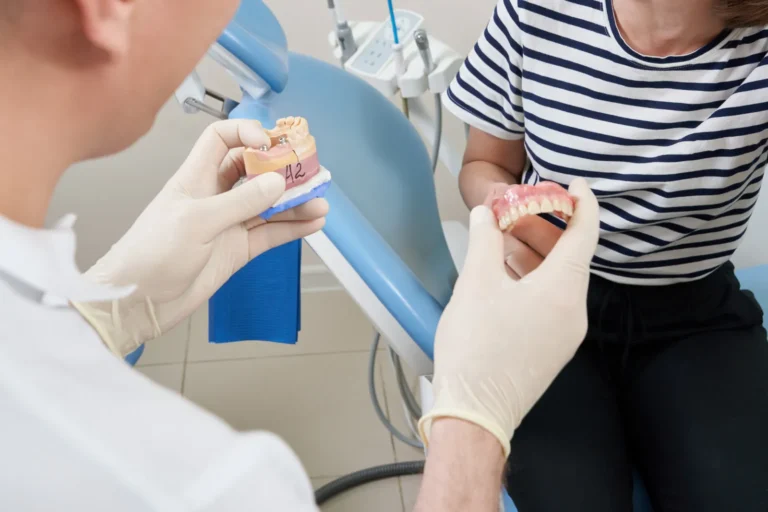
Preparing for plastic surgery: tests, anaesthesia and pre-op checklist
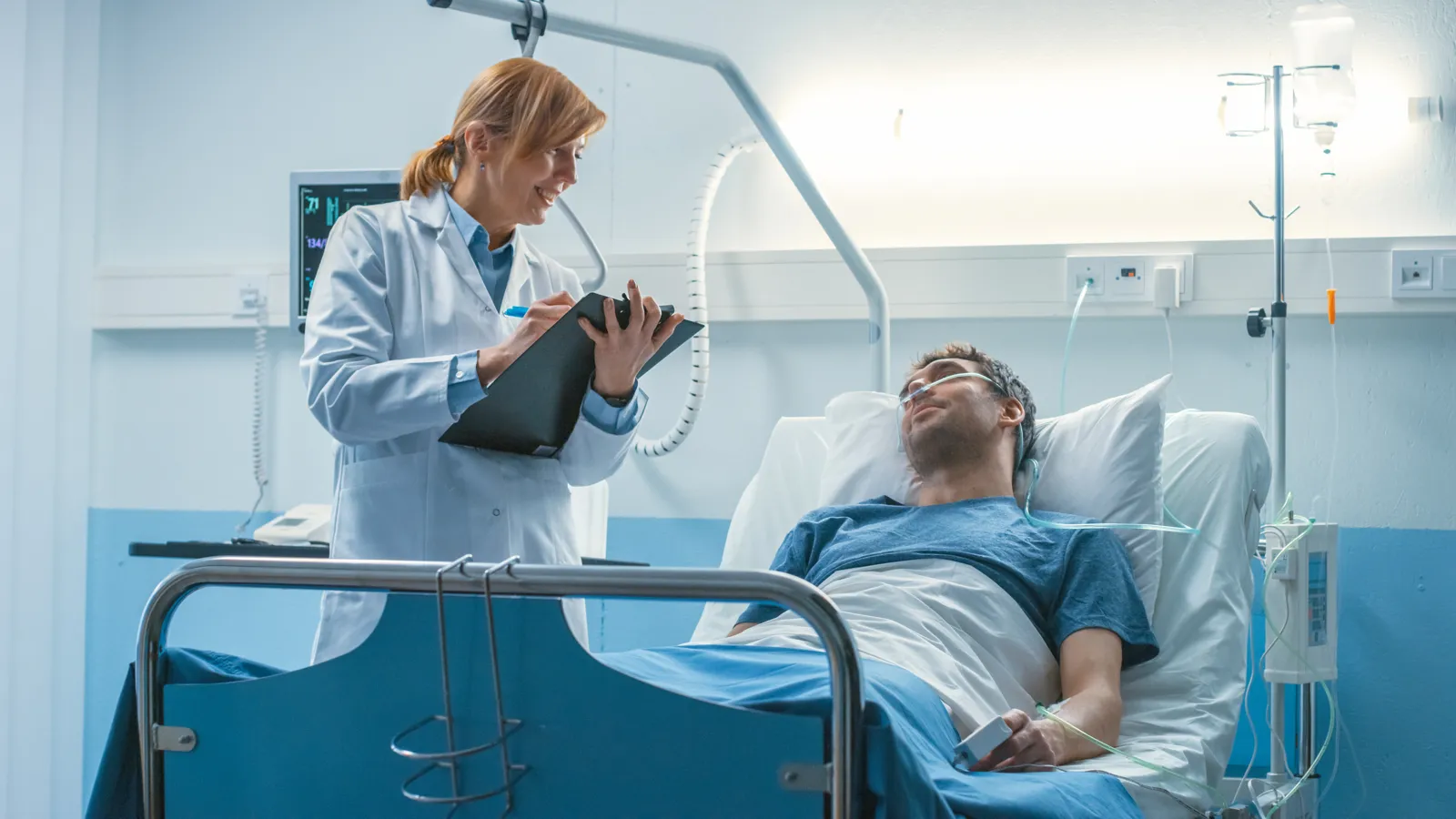
Pre-op tests, anaesthesia types, smoking and medication rules, and a packing list for surgery abroad.
Preparing for plastic surgery starts weeks before the operation, not the night before. Good preparation makes anaesthesia safer, helps incisions heal and reduces the chance that your surgery is postponed at the last minute. The encouraging part is that most of it is in your hands.
This guide covers what to do before surgery: the usual pre-op tests, types of anaesthesia, when to stop smoking, which medications to discuss with your doctor, and what to pack for surgery abroad if you are travelling to Yerevan. Your clinic will give you its own list, but the logic is similar everywhere.
Pre-operative tests: what you will usually need
Before surgery under general anaesthesia, a typical set includes:
- full blood count and urine test;
- blood chemistry: glucose, kidney and liver function, electrolytes;
- clotting tests;
- blood group;
- screening for HIV, hepatitis B and C and syphilis, which is routine in many countries including Armenia;
- an ECG and, where needed, a medical clearance from your physician;
- a chest X-ray if the clinic requires one.
Extra tests depend on the procedure. Before rhinoplasty, a sinus CT scan may be requested, especially with breathing problems. Before breast surgery you will need a breast ultrasound and, from a certain age, a mammogram. Dental implants require a 3D cone-beam scan of the jaw. Long-term conditions call for a note from the specialist who manages them.
How long are results valid?
Blood tests are usually accepted if taken within about 10 days to a month, and infection screening often for up to one to three months. Your clinic will confirm. Many patients do some tests at home and repeat others on arrival, which is perfectly normal. We send the list in advance so nothing is wasted.
Types of anaesthesia in plastic surgery
| Type | What it means | Typically used for |
|---|---|---|
| General anaesthesia | You are fully asleep; an anaesthetist manages your breathing | Rhinoplasty, breast surgery, tummy tuck, facelift |
| Sedation with local anaesthesia | Drowsy, relaxed sleep with the area numbed | Eyelid surgery, smaller liposuction, some facial procedures |
| Local anaesthesia | Awake, only the treatment area is numbed | Hair transplant, dental implants, minor procedures |
The final choice belongs to your anaesthetist and surgeon. Before surgery you will talk with the anaesthetist: mention allergies, previous anaesthetics and any reactions, snoring or sleep apnoea, chronic conditions and every medication you take.
Stop smoking: when and why
Nicotine narrows blood vessels and significantly raises the risk of poor wound healing, skin loss and infection, particularly after facelifts, tummy tucks and breast lifts. Most surgeons ask you to stop at least 4 weeks before and after surgery. That includes vapes, heated tobacco and nicotine patches or gum. If you need help quitting, start early and ask your GP.
Medications and supplements to review
Some medicines increase bleeding or interact with anaesthesia. The golden rule: do not stop anything on your own, especially medicines prescribed by a cardiologist or endocrinologist. Discuss these with your doctor:
- aspirin, ibuprofen and other anti-inflammatories, often stopped around 7–10 days before, if your doctor agrees;
- blood thinners and antiplatelet drugs, which are changed only by the doctor who prescribed them;
- supplements such as fish oil, vitamin E, ginkgo, St John’s wort and garlic capsules, usually stopped about 2 weeks before;
- the contraceptive pill and HRT, because they affect clot risk;
- GLP-1 weight-loss medicines such as semaglutide, which are often paused before anaesthesia because of the risk of stomach contents being inhaled; your doctor decides how;
- isotretinoin and other drugs that affect skin healing.
Other things to avoid before surgery
- Alcohol: usually avoided for at least a week before and during recovery.
- Sunburn and fresh tans: damaged skin heals less well.
- Crash diets: body contouring works best at a stable weight, and you need protein to heal.
- New intense workouts: keep up normal activity such as walking, but this is not the moment for a new extreme programme.
Procedure-specific preparation
Before breast surgery, find a soft, wire-free bra or ask whether the clinic provides a compression garment, and pack front-opening tops, since lifting your arms will be uncomfortable at first. Before rhinoplasty, get any cold or allergy flare under control, plan for not resting heavy glasses on your nose, and have extra pillows ready to sleep with your head raised. Before dental implants, treat decay and gum inflammation and plan the second trip for the final crowns.
More detail is on our rhinoplasty and breast surgery pages.
Questions to ask before surgery
- What exactly is the plan, and what result is realistic for me?
- What anaesthesia, how long will surgery take and how many nights in hospital?
- What are the main risks, and how do you handle complications?
- Which medications should I stop or continue, and when?
- When are stitches removed and how long do I wear a garment or splint?
- When can I fly, work and exercise?
- How do I reach you once I am home?
The week before, the day before and the morning of surgery
- One week before: confirm the test list, gather documents and medical reports, buy anything on your surgeon’s list.
- Two or three days before: watch your health. A cold, fever, cold sore or flare-up of a condition should be reported; surgery may be rescheduled, and that is the right call.
- The day before: a light dinner, no alcohol, a shower, remove nail polish and jewellery.
- The morning of surgery: typically no food for about 6 hours before anaesthesia, with clear water sometimes allowed up to 2 hours before; follow your anaesthetist’s exact instructions. No makeup, creams or contact lenses.
What to pack for surgery abroad
- passport, insurance details, test results and medical reports;
- a written list of all medications with doses, and the medicines themselves in your hand luggage;
- loose, front-opening clothes and slip-on shoes;
- compression stockings for the flight if your doctor recommends them;
- a neck pillow, lip balm and saline nasal spray if allowed;
- chargers, headphones and something calming to watch or read;
- a little cash, a bank card and your coordinator’s contact details.
Planning your stay and the flight home
Build in buffer time. Typical stays in Yerevan are about 7–10 days after rhinoplasty, 5–7 after eyelid surgery, 5–10 after breast surgery and 10–14 after a tummy tuck or facelift. You fly once your surgeon has examined you and cleared you. Bring a companion if you can, especially for larger operations, and decide in advance which doctor you will see at home if needed.
Prepare home too: groceries for a few days, everyday items at arm’s height so you do not need to bend or reach, extra pillows, and help with children, pets and heavy shopping for the first week or two. Tell your employer about your time off with a margin.
Expectations and mindset
The first days rarely look like the final result. Swelling, bruising, tiredness and even a brief dip in mood are normal. Patients who know what each week of recovery looks like cope much better, so ask your surgeon to walk you through it. If you are having surgery for someone else’s sake, or during a period of intense stress, it is worth pausing and revisiting the decision later.
Frequently asked questions
When should I stop smoking before surgery?
Usually at least 4 weeks before and 4 weeks after. This applies to vapes and nicotine replacement too.
Which medications should I stop before plastic surgery?
Aspirin, ibuprofen and some supplements are commonly stopped 1–2 weeks before. Never stop prescribed blood thinners or other regular medicines without your prescribing doctor’s advice.
What tests are needed before rhinoplasty?
Typically blood count, chemistry, clotting tests, blood group, infection screening and an ECG, sometimes a sinus CT. Your clinic gives the exact list.
Can I eat before surgery?
Usually no food for about 6 hours before anaesthesia, with clear fluids allowed up to around 2 hours. Follow your anaesthetist’s instructions exactly.
What if I get a cold just before surgery?
Tell your surgeon straight away. A cold or fever usually means rescheduling, which is done for your safety.
If you are planning surgery in Yerevan, we will send a preparation checklist tailored to your procedure. Send your questions and photos through our contact page, and we will arrange a free online consultation with a surgeon and a personal estimate.
This article is for general information and does not replace a consultation with a qualified doctor.
Medical information notice
This article is general information for planning purposes and does not replace advice from a qualified medical professional.