Rhinoplasty vs septoplasty: what’s the difference and which you need
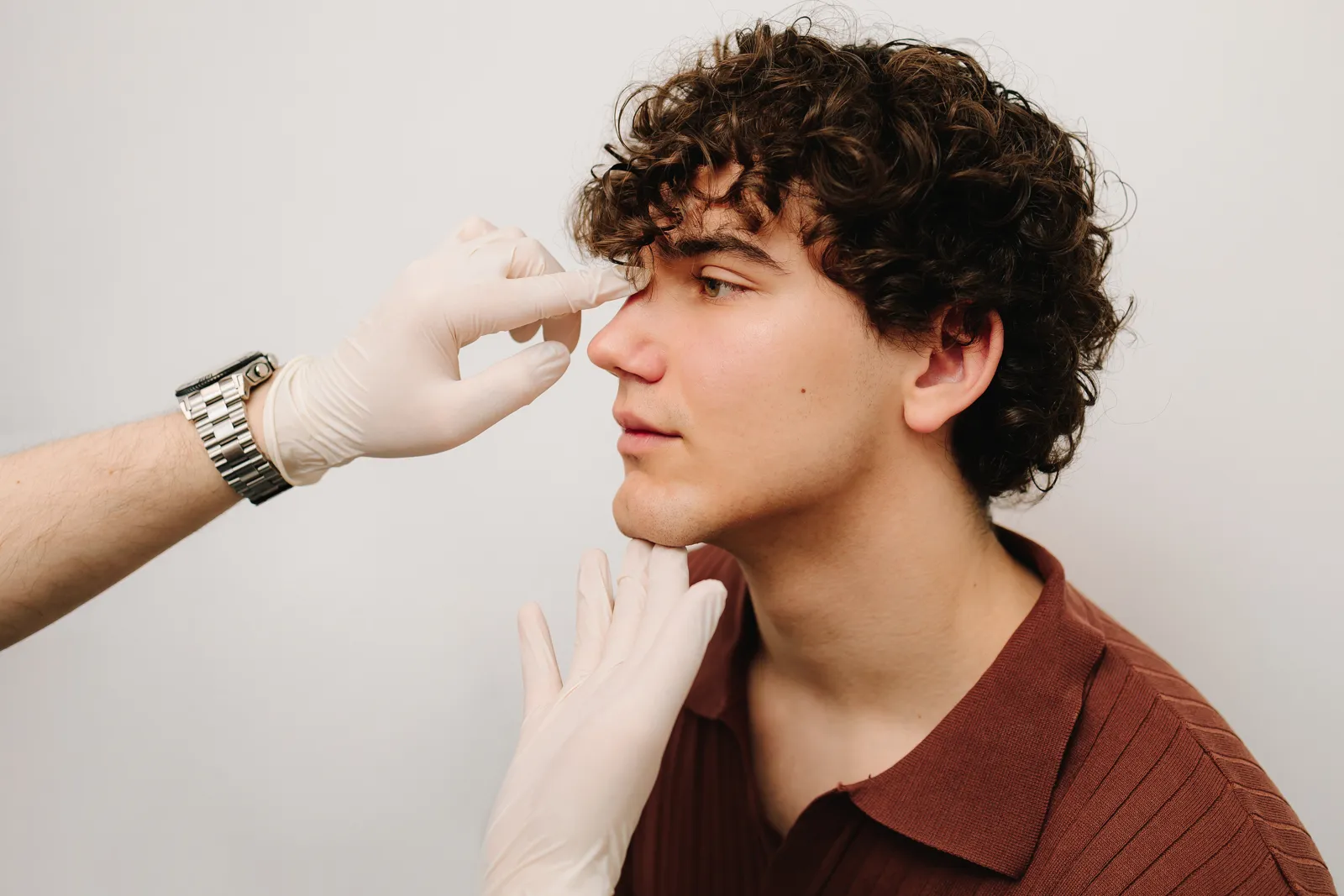
How rhinoplasty and septoplasty differ, when surgeons combine them as septorhinoplasty, and how timing works after a broken nose.
Rhinoplasty vs septoplasty is a comparison that confuses a lot of people, partly because the two are often done together. Put simply, rhinoplasty changes how your nose looks, while septoplasty straightens the wall inside your nose so you can breathe better. When you need both, the surgeon performs a septorhinoplasty: one operation that addresses shape and function at the same time.
This guide explains the difference, how to tell which one you need, what happens after a broken nose, and how to plan surgery if you are considering travelling to Yerevan.
Rhinoplasty vs septoplasty: what’s the difference?
Rhinoplasty reshapes the outside of the nose: a dorsal hump, a wide bridge, the shape and projection of the tip, the nostrils, or the angle between nose and lip. It is usually done for cosmetic reasons, sometimes combined with functional work.
Septoplasty corrects the nasal septum, the thin wall of cartilage and bone that divides your nose into two airways. A deviated septum narrows one or both sides, making breathing difficult. Septoplasty is a functional operation, and the outside of the nose usually looks the same afterwards.
Septorhinoplasty combines both: the surgeon straightens the septum and reshapes the nose in a single procedure. It is common because a crooked nose on the outside is often linked to a deviated septum on the inside.
| Factor | Septoplasty | Rhinoplasty | Septorhinoplasty |
|---|---|---|---|
| Main goal | Better breathing | Change in appearance | Both |
| Visible change outside | Usually none | Yes | Yes |
| Typically performed by | ENT surgeon | Plastic or facial plastic surgeon | Surgeon experienced in both |
| Incisions | Inside the nose | Inside, sometimes plus a small columellar incision | As for rhinoplasty |
| Typical recovery | About 1–2 weeks to normal routine | 2–3 weeks to social life; final result up to a year | As for rhinoplasty |
| Insurance at home | Sometimes covered when medically necessary | Usually not covered if purely cosmetic | Functional part sometimes covered |
Signs you might need a septoplasty
- One side of your nose, or both, is constantly blocked.
- You snore, sleep with your mouth open or wake up with a dry mouth.
- You get frequent sinus infections, nosebleeds or facial pressure.
- You rely on decongestant sprays to breathe.
- Your breathing got worse after an injury to the nose.
Not every blocked nose is caused by the septum. Enlarged turbinates, allergic rhinitis, polyps and chronic sinusitis can all play a part. That is why an ENT examination, and often a CT scan, comes first. Sometimes turbinate reduction is done at the same time as septoplasty; sometimes the problem is best treated without surgery.
Which one do you need?
“Better” is the wrong question here, because the two operations solve different problems. Try answering these honestly.
- Happy with the shape but struggling to breathe? Septoplasty, possibly with turbinate work, is the likely conversation.
- Breathing fine but unhappy with how your nose looks? That is rhinoplasty. A good surgeon will still check your septum, because changing the shape can affect airflow.
- Unhappy with the shape and struggling to breathe? A septorhinoplasty means one anaesthetic and one recovery instead of two.
Your surgeon makes the final recommendation after examining your nose inside and out. If a surgeon focuses only on looks and never asks about your breathing, ask the question yourself.
What happens during septorhinoplasty
Septorhinoplasty is usually performed under general anaesthesia. The surgeon first straightens the septum, removing or repositioning bent cartilage and bone while preserving enough support for the bridge and tip. Then they reshape the nose itself: reducing a hump, narrowing the bones, refining the tip. Cartilage taken from the septum is often reused as graft material to support or shape the nose.
It usually takes longer than rhinoplasty alone, roughly 2–3 hours or more in complex cases. Recovery mirrors rhinoplasty: a splint for 7–10 days, most swelling gone in 2–3 weeks, and the final shape developing over about a year. Breathing often improves as internal swelling settles over the following weeks.
Recovery after septoplasty alone
Septoplasty on its own is generally an easier recovery. Soft packing or silicone splints may sit inside the nose for a few days, and an external splint is often not needed. Bruising around the eyes is usually minimal or absent. Expect congestion and some blood-tinged discharge at first. Many people return to desk work in about 1–2 weeks, while internal swelling continues to settle for several weeks. Your doctor will tell you how to rinse and care for the lining of your nose.
Rhinoplasty after a broken nose
A broken nose is a common injury, and the right treatment depends a lot on timing.
Closed reduction vs rhinoplasty
If your nose was broken recently and the bones have shifted, a doctor may be able to push them back into position without any incisions. This is called a closed reduction. It is usually done within the first one to two weeks after injury, before the bones set in the wrong place. Doctors sometimes wait a few days for swelling to go down so they can judge alignment properly. With a fresh injury, see a doctor at home promptly rather than waiting to plan a trip abroad.
If the bones have already healed crooked, or there is a new bump or a twist, closed reduction is no longer an option and the fix is surgical: a rhinoplasty or, very often, a septorhinoplasty, since the septum is usually injured too. Surgeons generally wait until tissues have fully healed, often several months after the injury. Both shape and breathing can be improved in one operation, but perfect symmetry after a significant fracture cannot be guaranteed, and a good surgeon will tell you so in advance.
Rhinoplasty after septoplasty
If you have already had a septoplasty and now want to change the shape of your nose, that is usually possible. Your surgeon will want to know how much septal cartilage was removed, because it determines whether there is enough of your own material for grafts or whether ear or rib cartilage might be needed. Most surgeons advise waiting at least several months, and ideally around a year, after the previous operation. Bring your old operation notes if you have them.
What affects the cost
A septorhinoplasty usually costs more than a septoplasty or a simple cosmetic refinement, because it takes longer and involves more work. The price depends on:
- how severe the deviation is and whether turbinates need treating;
- the extent of the cosmetic changes, from a small hump to a full tip reconstruction;
- whether ear or rib cartilage grafts are needed;
- whether this is a primary or revision operation;
- tests, anaesthesia, hospital stay and follow-up visits.
Your surgeon can only give an accurate figure after seeing your photos and, ideally, a CT scan, which is why we prepare a personal estimate rather than a generic price list.
Risks
Septoplasty, rhinoplasty and their combination share several risks: bleeding, infection, septal haematoma, a hole in the septum (perforation), breathing problems that persist or return, changes in sense of smell, numbness, asymmetry and the possibility of further surgery. In a septorhinoplasty the surgeon must leave enough cartilage support, otherwise the bridge can collapse over time. That is why experience in functional rhinoplasty matters so much.
Planning septorhinoplasty in Yerevan
For an online consultation, send standard photos of your face and describe your breathing: which side is worse, whether you snore, any injuries or previous surgery. If you have a CT scan of your nose and sinuses, include it. The surgeon gives a preliminary opinion; the final plan is confirmed after an in-person examination at the clinic.
Plan to stay in Yerevan for 7–10 days, until the splint is removed and you have had a check-up. Your surgeon decides when you can fly. At home, it helps to have a local ENT doctor who can see you in person if needed, while your Yerevan surgeon follows up remotely. You can read more on our rhinoplasty page.
Frequently asked questions
What is the difference between rhinoplasty and septoplasty?
Rhinoplasty changes the outer shape of the nose; septoplasty straightens the internal septum to improve breathing. When both are needed, they are combined as a septorhinoplasty.
Does septoplasty change the shape of your nose?
Usually not, because it works on internal structures. If you want a visible change too, that is planned as a septorhinoplasty.
Can rhinoplasty and septoplasty be done at the same time?
Yes. That combined operation is called septorhinoplasty. It means one anaesthetic and one recovery, though the operation itself is longer.
How soon after a broken nose can I have rhinoplasty?
A fresh displaced fracture is usually reset by closed reduction within one to two weeks. If the bones have already healed crooked, surgery is generally planned once healing is complete, often several months later.
Will my breathing improve after septorhinoplasty?
Most patients with a deviated septum breathe better once internal swelling settles. Full improvement cannot be guaranteed, especially if allergies or enlarged turbinates also contribute.
Talk to a surgeon about shape and breathing
If your nose affects your breathing, or you are unhappy with how it looks after an injury, send us your photos and a short description. We will arrange a free online consultation with a surgeon in Yerevan and prepare a personal estimate. Get in touch through our contact page.
This article is for general information and does not replace a consultation with a qualified doctor.
Medical information notice
This article is general information for planning purposes and does not replace advice from a qualified medical professional.