Facial fat transfer: using your own fat to restore volume
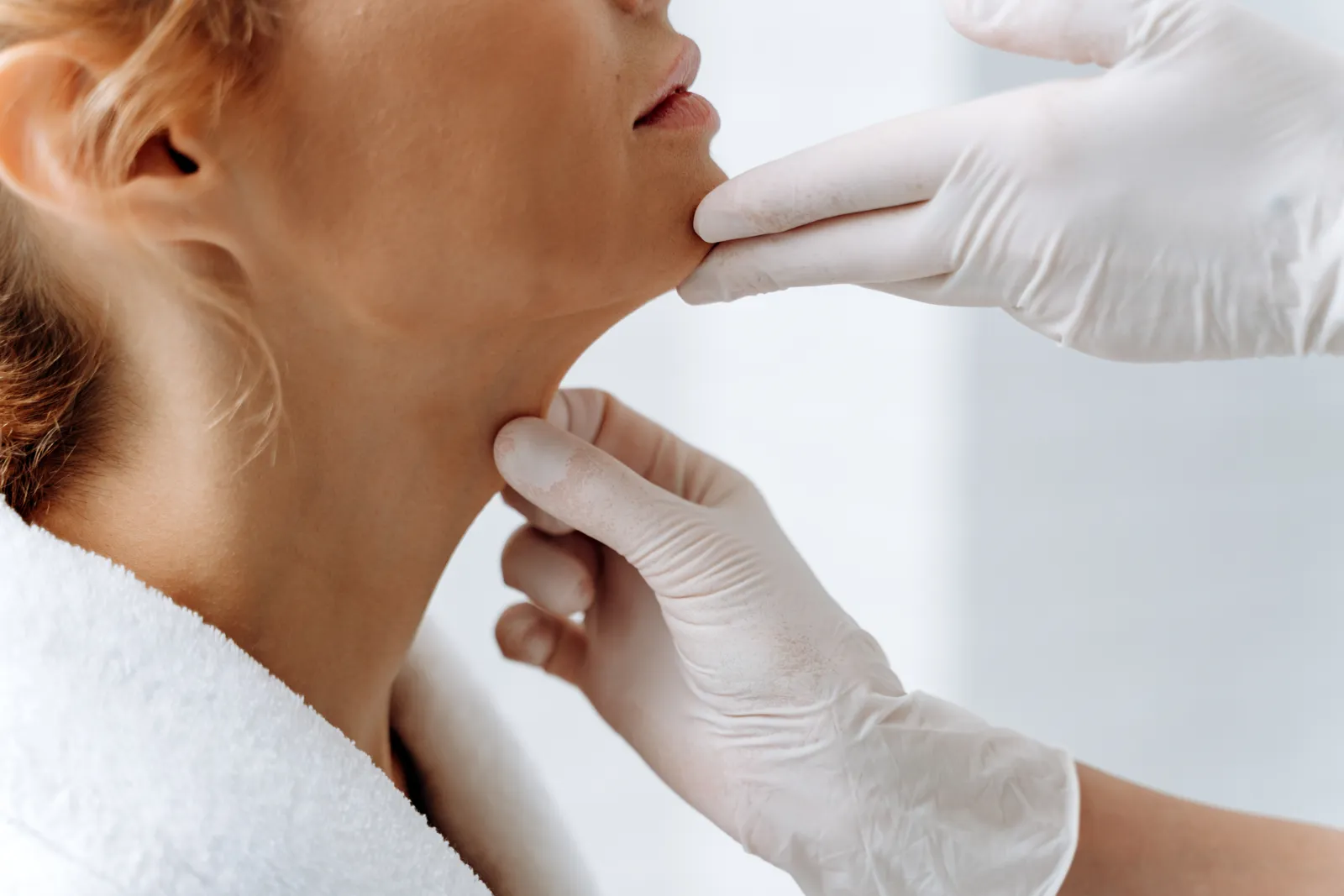
Facial fat transfer restores volume with your own fat. Which areas it treats, how long it lasts, its downsides and when fillers make more sense.
Facial fat transfer, also called facial fat grafting, means taking a small amount of your own fat, purifying it and injecting it into areas of the face that have lost volume: cheeks, temples, under-eyes, folds or jawline. Because it is your own tissue, results usually look natural and part of the fat stays long term. The trade-off is more downtime than fillers and less predictability. Here is how it works, who it suits and how to plan it in Yerevan, Armenia.
What is facial fat transfer and how is it done?
The procedure has three stages:
- Harvesting: gentle liposuction, usually from the abdomen, flanks or thighs, through tiny incisions.
- Processing: the fat is decanted, filtered or centrifuged to separate usable fat cells from fluid and oil.
- Injection: using micro-cannulas, the fat is placed in tiny amounts across several layers so each particle can pick up a blood supply and survive.
It is done under local anaesthesia with sedation or under general anaesthesia, particularly when combined with a facelift or eyelid surgery, and takes one to two hours depending on the areas. A variant called nanofat uses highly processed fat mainly to improve skin quality rather than add volume.
Which areas can it treat and who is a good candidate?
Facial fat grafting is most often used for:
- cheeks that have flattened with age;
- hollow temples;
- tear troughs and under-eye hollows, with great caution;
- nasolabial folds and marionette lines;
- chin and jawline;
- asymmetry or hollowing after earlier surgery, including over-aggressive buccal fat removal.
Good candidates have lost facial volume, have enough fat somewhere on the body and keep a stable weight. Very slim people may not have enough donor fat. If your main concern is sagging skin, volume alone will not fix it, and fat transfer is often combined with a facelift.
How long does facial fat transfer last?
Not all injected fat survives. In the first months the body reabsorbs a portion, and what remains at around 3 to 6 months is considered stable and ages with you. The percentage that takes varies with the area, technique and individual, which is why a second session is sometimes planned to fine-tune.
One detail few people mention: transferred fat behaves like fat from its original site. If you gain a lot of weight, your face may gain volume too; if you lose weight, it may lose some.
Facial fat transfer vs fillers: which is better for you?
| Facial fat transfer | Hyaluronic acid filler | |
|---|---|---|
| Material | Your own fat | Absorbable gel |
| Longevity | Long-lasting for fat that takes | Temporary, typically months |
| Downtime | 1 to 2 weeks of swelling | Minimal, occasional bruising |
| Reversibility | Hard to remove | Can be dissolved with hyaluronidase |
| Predictability | Lower, may need a top-up | High, immediate result |
| Best for | Broad volume loss, several areas | Small touch-ups, trying a look first |
Many patients start with fillers and move to fat grafting when they need more volume or want something longer lasting. Your surgeon will advise which fits you.
Facial fat grafting recovery timeline and risks
A typical recovery looks like this:
- Days 1 to 7: marked swelling and bruising in the face and donor area; sleep with your head raised.
- Weeks 2 to 3: most people are socially presentable; light exercise can usually resume.
- Months 3 to 6: reabsorption settles and the final result can be judged.
Downsides and risks to know about include a variable result because of reabsorption, lumps, irregularities or oil cysts (especially in thin under-eye skin), overcorrection that looks puffy, and donor-site bruising. Very rarely, fat injected into a blood vessel can cause an embolism, a serious complication that is prevented with blunt cannulas and experienced technique. Avoid massaging the face unless told to.
Facial fat transfer cost depends on the number of areas, the amount of fat, anaesthesia type and whether it is combined with other surgery. We confirm it with a personal estimate.
How to prepare for facial fat grafting
A few simple steps support recovery and help more of the fat survive:
- stop smoking at least 2 weeks before and after surgery, as nicotine reduces blood supply and fat survival;
- review medicines and supplements that affect clotting with your surgeon;
- keep your weight stable in the months before, avoiding crash diets;
- bring photos of yourself from earlier years, so the aim is to restore your own volume rather than create someone else’s face;
- pack loose clothing and a compression garment for the donor area if your surgeon recommends one.
Facial fat transfer in Yerevan: stay and follow-up
For fat grafting alone, plan about 5 to 7 days in Yerevan, up to the first check; longer if combined with a facelift. Flying is often possible within a few days with your surgeon’s approval. Check entry requirements for your passport before booking.
Clinics in Yerevan work in Armenian, Russian and English, and Medarmenia arranges an interpreter, transfers and accommodation. Back home, your GP can keep an eye on the donor site, and your surgeon reviews photos at about 1, 3 and 6 months.
Frequently asked questions
Is facial fat transfer permanent?
Fat that takes is usually long-lasting and ages naturally with you. Part is reabsorbed in the first months, so a second session is sometimes needed.
Where is the fat taken from?
Usually the abdomen, flanks or inner thighs. Your surgeon chooses the donor site based on your body.
Can fat be injected under the eyes?
Yes, but it is a delicate area with thin skin where only tiny amounts are used. The risk of visible lumps is higher than elsewhere.
What does a face look like after 5 or 10 years?
Surviving fat ages with you, so a well-done result usually still looks natural years later. It will follow your weight changes and normal ageing.
Can it be combined with a facelift?
Yes, and it often is: the facelift repositions tissue while fat grafting restores lost volume.
If your face has lost volume, send current photos and, if you have them, one from about 10 years ago through our contact page. We will arrange a free online consultation with a Yerevan surgeon and a personal estimate.
This article is for general information and does not replace a consultation with a qualified doctor.
Medical information notice
This article is general information for planning purposes and does not replace advice from a qualified medical professional.