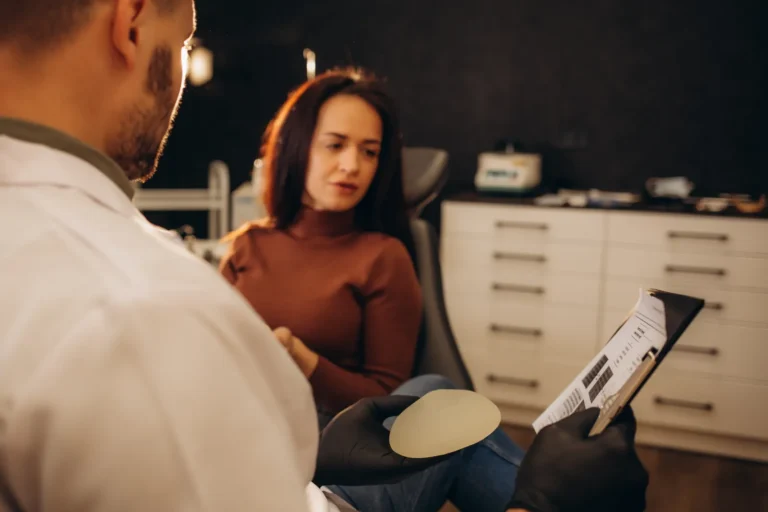
Gynecomastia surgery: fat or gland, and when surgery really helps

Enlarged male breasts can be glandular tissue, fat or both. Here is how doctors tell the difference, which tests make sense and what gynecomastia surgery and recovery involve.
Gynecomastia surgery is one of the most common procedures men ask us about, often after months of wondering whether the problem is “just fat”. It is a fair question, and the answer shapes everything else: whether diet and training will fix it, whether you need an endocrinologist, and whether surgery makes sense at all.
In this guide we explain how true gynecomastia differs from fatty tissue, when it resolves on its own, which tests are worth doing and what surgery and recovery look like if you go ahead, including if you travel to Yerevan for treatment.
Gynecomastia vs pseudogynecomastia: fat or gland?
Doctors distinguish two main conditions:
- True gynecomastia is growth of glandular breast tissue. You can usually feel a firm, rubbery disc under the nipple, which is sometimes tender.
- Pseudogynecomastia (also called lipomastia) is fat in the chest area without gland growth. The tissue is soft and even, with no firm lump under the nipple.
In practice, many men have a mix of both. That is why diet alone often gives a half result: the fat goes, but a firm bump behind the nipple stays.
How to tell gynecomastia from fat
A doctor’s exam gives the definitive answer, but there are clues you can notice yourself:
- Texture. A firm, rubbery disc under and around the areola suggests glandular tissue. Soft tissue without a clear edge is more likely fat.
- Shape. With gynecomastia, the areola area often protrudes and the nipple can look puffy. With fat, the whole chest is fuller, along with the flanks and abdomen.
- Response to weight loss. If you have lost noticeable weight and your chest has barely changed, gland is the likely cause.
- Tenderness. Sore or sensitive nipples are more common when glandular tissue is actively growing.
See a doctor promptly if the enlargement is on one side only, if you feel a hard, fixed lump, or if there is nipple discharge, skin change or swollen lymph nodes in the armpit. Male breast cancer is rare, but these signs need checking.
What causes gynecomastia?
True gynecomastia comes from a shift in the balance between male and female hormones towards oestrogen. That can be natural, during puberty or with age as testosterone gradually falls. Other causes include:
- certain medications, including some heart, stomach and prostate drugs;
- anabolic steroids and other performance-enhancing hormones;
- excess body weight, since fat tissue converts some testosterone into oestrogen;
- liver, kidney or thyroid disease;
- rarely, hormone-producing tumours of the testes or adrenal glands.
Often no specific cause is found. But if your chest starts growing quickly as an adult with no obvious reason, getting checked matters more than thinking about surgery.
Which tests are useful?
The usual starting point is an examination and a breast ultrasound, which shows how much is gland and how much is fat. If gynecomastia has appeared recently in an adult, the doctor may order blood tests such as testosterone, oestradiol, LH and FSH, prolactin, thyroid function (TSH), hCG, and liver and kidney function. Tell your doctor about every medication, supplement and training compound you take.
Does gynecomastia go away on its own?
Pubertal gynecomastia is common and in most cases settles on its own within months to a couple of years, usually by the end of puberty. That is why surgeons generally advise teenagers to wait and be monitored. Surgery is usually discussed when gynecomastia persists after puberty and genuinely affects quality of life.
Without surgery, the options depend on what is enlarged. Fat responds to weight loss and training. Recent gynecomastia caused by a medication or hormone problem may improve when the cause is treated, and an endocrinologist sometimes prescribes medication at an early stage. Long-standing glandular tissue, however, becomes fibrous and does not shrink with exercise, pills or creams. At that point surgery is the only reliable option.
How gynecomastia surgery and liposuction work together
Most surgeons combine two techniques:
- liposuction to remove fat and smooth the chest contour;
- gland excision through a small incision along the lower edge of the areola, where the scar is usually discreet.
Pure pseudogynecomastia may need liposuction alone. With large volumes and loose skin, for example after major weight loss, skin removal may be needed, which means longer scars. Surgery is usually done under general anaesthesia and typically takes about 1–2 hours. The final plan is made by the surgeon after an examination and ultrasound.
| Situation | Typical approach |
|---|---|
| Fat only (pseudogynecomastia) | Weight loss; liposuction if fat persists |
| Gland plus fat | Liposuction and gland excision |
| Firm gland only | Gland excision through an areolar incision |
| Large volume with loose skin | Gland and skin excision, longer scars |
Possible risks include haematoma, seroma, infection, asymmetry, contour irregularities, a “saucer” dip under the nipple if too much tissue is removed, and changes in nipple sensation. Experienced surgeons leave a thin layer of tissue under the areola to keep the contour smooth.
Gynecomastia surgery recovery time
For the first few days the chest is swollen and sore when you move your arms, and your doctor prescribes pain relief. A compression vest is usually worn for 4–6 weeks. Most men return to office work after about a week, light cardio after 2–3 weeks, and chest training or heavy lifting after around 4–6 weeks.
A few practical tips: pack button-up shirts so you do not have to lift your arms, sleep on your back with your head slightly raised, keep incisions dry until you are told otherwise, and do not skip your check-up. Bruising and some numbness around the areolas are common early on and usually fade.
What to expect 1 month after gynecomastia surgery
By one month, most men are back to normal daily life. Some swelling and firmness can remain, and the final chest contour develops over 3–6 months. Removed glandular tissue does not grow back once the cause is addressed, but taking hormones or gaining a lot of weight can bring the problem back.
How to prepare
- Complete the pre-anaesthesia blood tests and ECG your clinic requests.
- Stop smoking several weeks before surgery.
- Stop anabolic steroids and hormone-based supplements, or the risk of recurrence is high.
- Review all medications with your doctor, especially blood thinners.
- Reach a stable weight first if you plan to lose weight.
Gynecomastia surgery in Yerevan: stay, flights and cost
For this procedure, 5–7 days in Yerevan is usually enough: consultation, surgery, a check-up and a dressing change. Flying home is often possible within a few days, but your surgeon gives the final go-ahead. At home you keep wearing the compression vest and stay in touch with your surgeon by sending photos. See all procedures we help organise, or read about liposuction in more detail.
Cost depends on what is needed: liposuction only or gland excision as well, the type of anaesthesia, nights in the clinic and compression garments. The surgeon can give an exact figure after reviewing your photos.
Frequently asked questions
How do I know if it is gynecomastia or fat?
The most reliable way is an exam and a breast ultrasound. A firm disc under the nipple usually means gland, while soft, even tissue is more likely fat.
What is the recovery time for gynecomastia surgery?
Most men return to desk work after about a week and to chest workouts after 4–6 weeks. The compression vest is usually worn for about a month or longer.
Is liposuction alone enough for gynecomastia?
For pure fat, often yes. If there is firm glandular tissue, it usually has to be excised as well, because liposuction does not remove it reliably.
Can gynecomastia come back after surgery?
Removed tissue does not regrow, but steroid use, some medications or major weight gain can cause new enlargement. Addressing the cause matters.
Can I get rid of gynecomastia without surgery?
Fat can be reduced with weight loss, and recent gynecomastia sometimes improves when its cause is treated. Long-standing firm gland usually needs surgery.
If you are not sure whether it is gland or fat, send us your photos and questions through our contact page. We will arrange a free, confidential online consultation with a surgeon in Yerevan and, if surgery makes sense, a personal estimate.
This article is for general information and does not replace a consultation with a qualified doctor.
Medical information notice
This article is general information for planning purposes and does not replace advice from a qualified medical professional.