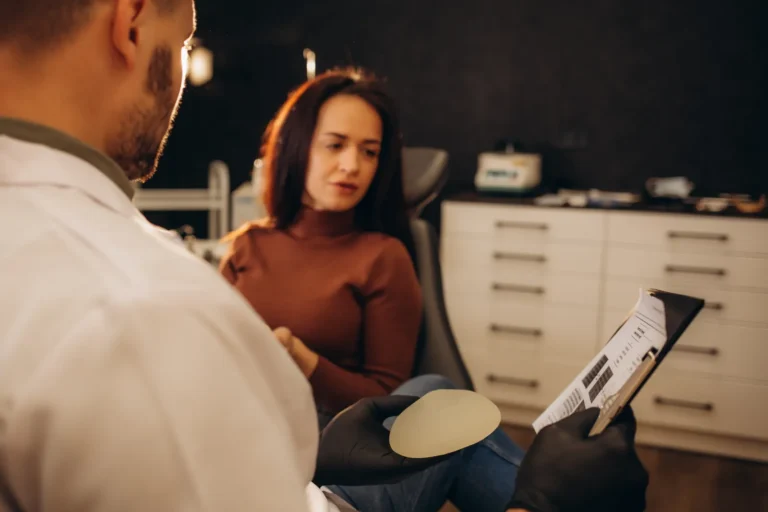
Post pregnancy surgery: labiaplasty, vaginoplasty and recovery

Many women notice intimate changes after childbirth but are not sure who to ask. Here is a calm, medical overview of postpartum intimate procedures, non-surgical first steps and recovery.
Post pregnancy surgery usually brings to mind a tummy tuck or breast lift, but many women also have questions about intimate changes after childbirth. These changes are very common, and they are often easier to talk about with a doctor than people expect. Not every concern needs an operation, and some improve with time and targeted physiotherapy.
This guide gives a calm, medical overview: what changes can happen after birth, what the procedures are called, when surgery makes sense, what to try first and what recovery looks like. If you are wondering what postpartum surgery actually involves in the intimate area, this is a good place to start.
What changes can happen after childbirth?
Vaginal birth, especially several births, a large baby or tearing, can leave lasting changes. Women most often mention:
- a feeling of vaginal looseness or reduced sensation;
- a tight, thick or painful perineal scar after a tear or episiotomy;
- discomfort during intimacy;
- leaking urine when coughing, sneezing or exercising;
- a sense of heaviness or bulging in the vagina;
- changes in the shape or symmetry of the labia, or chafing during walking and sport.
Some of these concerns are cosmetic and some are functional, and they are treated differently. A bulging sensation or urine leakage, for example, is a medical issue that needs proper assessment, not a cosmetic one.
Where to start: a gynaecologist and your pelvic floor
The first step is always an examination by a gynaecologist. They will assess your pelvic floor muscles and any scars, check for pelvic organ prolapse and decide whether you need a urogynaecologist.
For many women the first-line treatment is not surgery but pelvic floor muscle training with a women’s health physiotherapist. These exercises strengthen the muscles that support the bladder, uterus and vagina. With regular practice over several months, leakage often improves and many women notice better sensation.
A word on laser and radiofrequency “vaginal rejuvenation”. These treatments are heavily marketed, but the evidence for them is still limited, and in 2018 the US FDA warned about the risks of using such energy-based devices for these purposes. If you consider one, discuss it with your gynaecologist and keep expectations modest.
Function or appearance: an important distinction
Doctors broadly divide intimate surgery into two groups. Functional surgery treats medical problems such as prolapse, stress urinary incontinence or a painful scar that makes sitting or intimacy difficult. These procedures are done when there is a clear indication, and their benefits are well studied.
Cosmetic intimate surgery focuses on appearance and subjective comfort. Professional bodies including the American College of Obstetricians and Gynecologists (ACOG) advise caution: patients should know that normal anatomy varies widely, and no one should promise improvements in intimate life that are hard to guarantee. A good doctor will ask what exactly bothers you and tell you honestly whether surgery is likely to help.
Types of post-natal intimate surgery
| Procedure | What it involves | When it is considered |
|---|---|---|
| Labiaplasty | Reshaping or reducing the labia minora | Discomfort, chafing, asymmetry |
| Vaginoplasty (colporrhaphy) | Tightening and repairing the vaginal walls | Laxity or weakened vaginal walls |
| Perineoplasty | Repairing the perineum and revising the scar | Painful or thickened scar after a tear or episiotomy |
| Incontinence surgery | For example, a sling procedure | Stress incontinence, as advised by a urogynaecologist |
Prolapse and incontinence surgery are performed by gynaecologists and urogynaecologists based on medical need. Cosmetic procedures such as labiaplasty should also be done by a doctor with specific training in this area, usually a gynaecologist or a plastic surgeon with relevant experience.
When is the right time?
There is no rush. Tissues recover slowly after birth, and many changes improve on their own. Doctors usually recommend:
- waiting at least 6–12 months after giving birth;
- finishing breastfeeding first, as hormonal changes during lactation make tissues thinner and drier;
- completing a course of pelvic floor training before deciding on surgery;
- ideally planning surgery once your family is complete, since another vaginal birth can change the result.
The final decision on whether and when to operate is made by your doctor after an examination.
How the procedures are done
Most of these operations take about 1–2 hours. Depending on the scope, they are done under local anaesthesia with sedation, spinal anaesthesia or general anaesthesia. Stitches are usually dissolvable. After labiaplasty most women go home the same day; after vaginoplasty or perineoplasty an overnight stay is sometimes advised.
How to prepare
- Have a gynaecological exam, swabs and the blood tests your clinic requests.
- Treat any infection or inflammation first, or surgery will be postponed.
- Plan the date around your cycle; surgery is usually scheduled shortly after a period.
- Stop smoking for several weeks before and after surgery to support healing.
- Tell your doctor about all medications, especially blood thinners and hormonal contraception.
Recovery after intimate surgery
For the first few days you can expect swelling, tightness and tenderness, particularly when sitting. Your doctor prescribes pain relief. A typical timeline:
- Weeks 1–2: swelling gradually settles. Cold packs in the first days, loose cotton underwear and careful hygiene help.
- About one week: many women return to desk work if it does not involve long periods of sitting or physical strain.
- Weeks 4–6: avoid intercourse, tampons, swimming, baths, cycling and intense exercise. After vaginoplasty this may extend to 6–8 weeks.
- Months 2–3: tissues are fully healed and residual swelling has gone.
Possible risks include bleeding, haematoma, infection, wound separation, scarring, asymmetry, altered sensation and pain during intercourse. Over-tightening after vaginoplasty can cause discomfort. That is why an experienced doctor and realistic expectations matter: the aim is comfort and function, not a “perfect” look.
Contact your doctor straight away if you notice increasing pain, fever, heavy bleeding or unusual discharge.
Questions to ask your doctor
- Which procedure do I need, and is there a medical reason for it?
- What can I try first without surgery, and for how long?
- What type of anaesthesia do you recommend, and why?
- What results are realistic, and what will not change?
- How will follow-up work once I am back home?
Be wary of anyone who guarantees results or pushes you to decide quickly.
Having intimate surgery in Yerevan
For most intimate procedures, 5–7 days in Yerevan is enough: consultation, surgery and a check-up before you fly. Flying home is usually possible within a few days, but your doctor decides. A soft ring cushion and loose clothing make the journey more comfortable.
At home, keep seeing your own gynaecologist, while your doctor in Yerevan stays in touch remotely. Cost depends on the procedure, anaesthesia, nights in the clinic and follow-up visits, and an exact figure is only possible after a consultation. See all procedures we help organise, or our mommy makeover page if you are also considering body contouring after pregnancy.
Frequently asked questions
What is postpartum intimate surgery?
It is a group of procedures, mainly labiaplasty, vaginoplasty and perineoplasty, that address changes after childbirth. Which one, if any, you need is decided by a doctor after an examination.
How long after giving birth can I have intimate surgery?
Usually at least 6–12 months after birth and after you finish breastfeeding. Pelvic floor training is worth trying first.
Is recovery painful?
Swelling and tenderness are common in the first days, especially when sitting, and are managed with prescribed pain relief. Most women return to routine activities in about a week.
When can I resume intimacy?
Usually after 4–6 weeks, sometimes 6–8 weeks after vaginoplasty. Your doctor confirms this at your check-up.
Can laser treatment replace surgery?
Evidence for laser vaginal treatments is still limited, and regulators have warned about their risks. Make this decision together with your gynaecologist.
If changes after childbirth are bothering you, write to us through our contact page. We will confidentially arrange a free online consultation with a doctor in Yerevan and, if surgery is appropriate, a personal estimate.
This article is for general information and does not replace a consultation with a qualified doctor.
Medical information notice
This article is general information for planning purposes and does not replace advice from a qualified medical professional.