PRP facial: what it really does, sessions and realistic results
What a PRP facial can and cannot improve, what the evidence says, how many sessions are typical and what recovery looks like after each one.
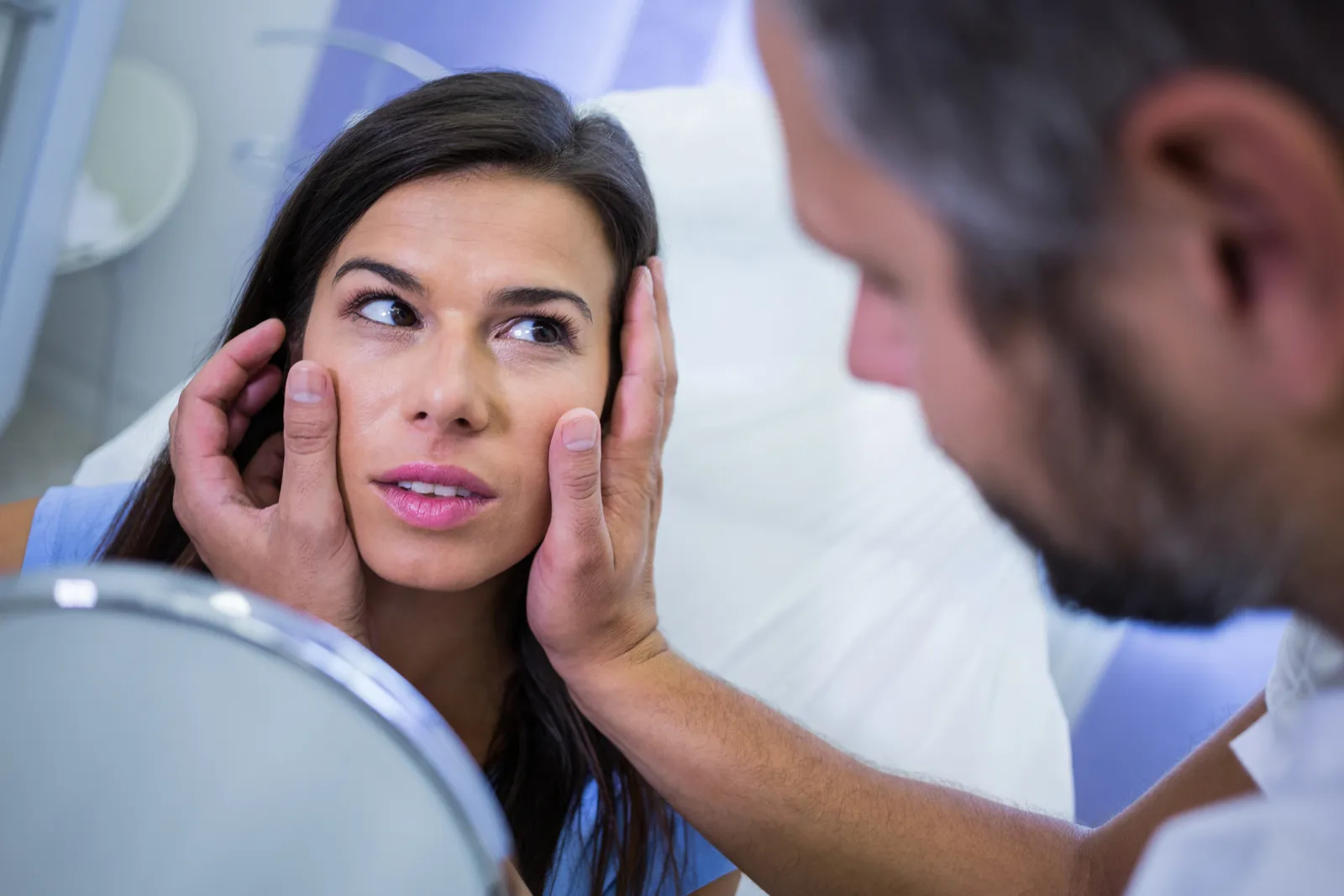
A PRP facial (platelet-rich plasma) uses a small sample of your own blood: platelets are concentrated and applied to the facial skin with micro-injections or microneedling. Its main purpose is to improve skin quality: texture, glow, fine lines and some acne scars. It does not fill deep folds or lift a sagging face, and the scientific evidence is still modest.
Here is what it really does, what to expect from sessions and recovery, and how it fits if you travel to Yerevan, Armenia, for other treatment.
What is a PRP facial and how is it done?
The procedure is simple and done in a clinic room:
- One or two tubes of blood are drawn from your arm, as for a blood test.
- The sample is spun in a centrifuge to separate platelet-rich plasma.
- Numbing cream is applied to the face.
- The plasma is injected in tiny amounts or combined with microneedling (the so-called “vampire facial”).
The whole visit takes 45 to 60 minutes. Platelets release growth factors which, according to the leading theory, stimulate fibroblasts to produce collagen and support skin repair.
PRP facial benefits: what does the evidence say?
Honesty matters here. Most published studies are small, with different protocols and short follow-up. With that caution, the picture looks like this:
| Goal | What the evidence suggests |
|---|---|
| Acne scars | The strongest data: combined with microneedling or fractional laser, PRP seems to improve results somewhat and speed recovery |
| Texture, glow, pores | Moderate improvements in small studies; highly variable |
| Fine lines | Subtle changes; not a substitute for neuromodulators or fillers |
| Dark circles | Limited data and inconsistent results |
| Marked laxity | No meaningful lifting effect; surgery is the option here |
If “PRP facial before and after” photos look dramatic, bear in mind that several treatments are often combined, or the lighting and angle differ.
Who is a PRP facial a good fit for?
The people who tend to benefit most want better skin quality without dramatic change or downtime. For example:
- Dull skin or uneven texture from the early to mid-thirties onwards.
- Mild to moderate acne scarring, as part of a combined plan.
- People who prefer to avoid external products and accept a subtle effect.
- Patients who have had a facelift or eyelid surgery and want to look after their skin quality.
It is not a good fit if you expect a visible change after one session, or if your main concern is sagging. It is also worth being realistic about cost over time: because the benefit fades, you are signing up for a course plus maintenance, not a one-off treatment. A good doctor will tell you if something else would serve you better.
How many PRP facial sessions do you need?
The usual plan is 3 sessions about 4 weeks apart, then 1 or 2 maintenance sessions a year. Any change is judged 2 to 3 months after the first session, once the skin has had time to build new collagen.
For acne scars, your doctor may suggest more sessions combined with microneedling or laser. In mature skin, PRP is usually an add-on rather than the main treatment.
PRP facial recovery time and aftercare
Recovery is short, but not zero. Searches for “PRP facial recovery day by day” usually describe something like this:
- First hours: small bumps at injection points and redness.
- Days 1 to 3: mild swelling and possibly small bruises, more so after microneedling.
- After that: most people are back to normal; make-up is usually fine the next day if your doctor agrees.
Typical aftercare: do not touch or rub the area, skip sauna, hard exercise and direct sun for a few days, and use high SPF.
Because it is your own blood, allergy risk is very low. The main risks are bruising, infection and, above all, poor hygiene: serious infections have been linked to unlicensed venues. Choose a licensed medical setting with sterile single-use kits and a responsible doctor.
Your doctor should check first for bleeding disorders, anticoagulants, low platelets, active facial infection, pregnancy, some autoimmune diseases and cancer treatment.
PRP facial vs fillers, Botox and a facelift
Each technique does something different, so they compete less than you might think:
- PRP: gradually improves skin quality.
- Hyaluronic acid fillers: add volume or deep hydration straight away.
- Neuromodulators such as Botox: relax the muscles behind expression lines.
- Surgical facelift: repositions sagging tissue and removes excess skin. If that is your concern, see our facelift page.
Many doctors combine PRP with other treatments; the order and intervals are their decision.
PRP facial in Yerevan: when it makes sense and what drives cost
A PRP facial rarely justifies a trip on its own, because it needs several sessions weeks apart. It can make sense as an add-on if you are already in Yerevan for facial surgery, dental work or a hair transplant, and the doctor suggests a first session during your stay. Later sessions can be done at home.
We do not quote prices. They depend on whether a dedicated PRP kit is used, how many tubes, whether microneedling is added, and per-session versus package pricing. Availability depends on the clinic, and Medarmenia checks it for you. You can usually fly the next day. Check entry requirements for your nationality before travelling.
Frequently asked questions
Does a PRP facial hurt?
With numbing cream it is well tolerated. You feel pricks and some pressure, especially on the forehead and around the mouth.
When will I see PRP facial results?
Skin may look brighter within days from hydration, but the real collagen effect is assessed at 2 to 3 months.
How long does a PRP facial last?
It varies, but several months to about a year is often quoted, which is why maintenance is recommended.
Is a PRP facial worth it after 50?
It can still help skin quality, but changes tend to be subtler in mature skin. It will not correct marked sagging.
Is a PRP facial the same as mesotherapy?
No. Mesotherapy injects products such as vitamins or hyaluronic acid; PRP uses plasma from your own blood.
Unsure whether PRP, another treatment or surgery suits you? Send us photos and your goals. We arrange an online consultation with a specialist in Yerevan and a personal estimate, with no obligation.
This article is for general information and does not replace a consultation with a qualified doctor.
Medical information notice
This article is general information for planning purposes and does not replace advice from a qualified medical professional.